News
-
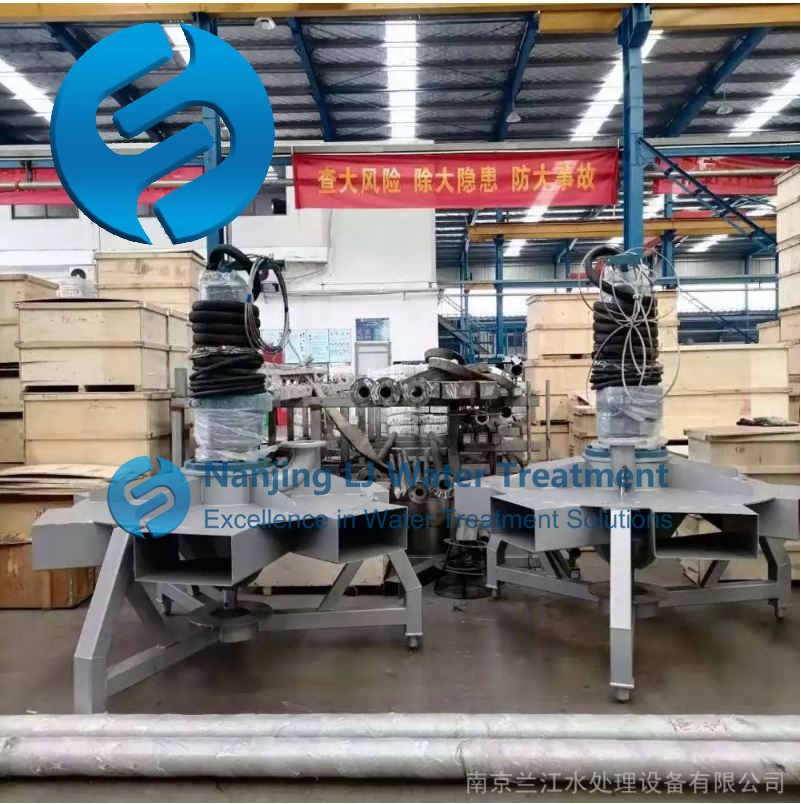
Aeration mixer operating parameters suitable for low-temperature water areas
When operating aeration mixers in cold water environments, specific performance adaptations are required to maintain reliable oxygen transfer and full basin circulation as water temperatures drop below standard operating ranges.Read more -
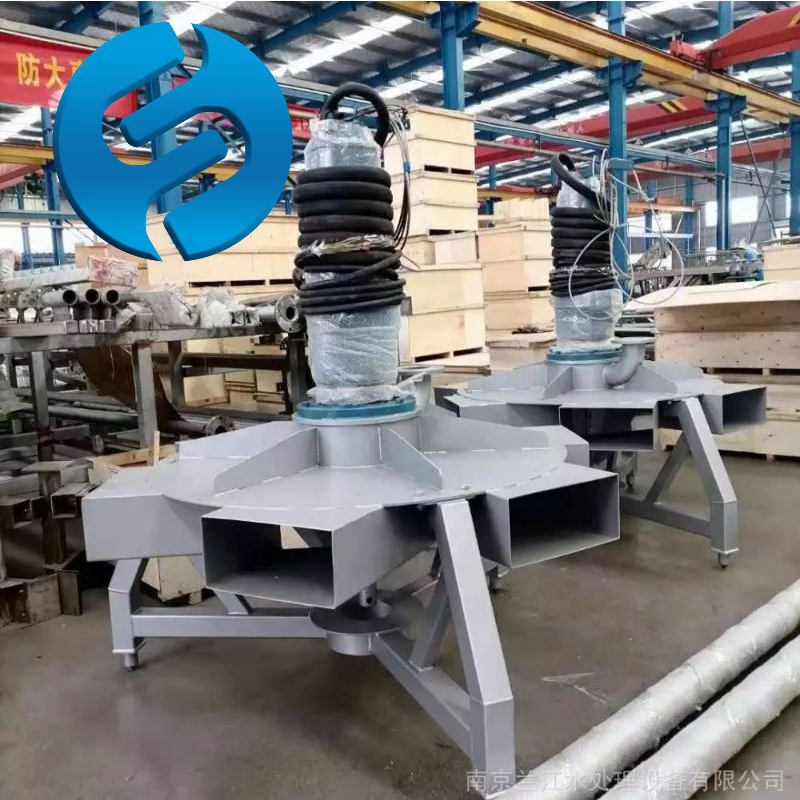
Performance of the aeration mixer during continuous operation duration
When planning for continuous aeration in high-demand environments, understanding and planning for long-duration operational performance is essential to avoid unexpected system degradation and costly unplanned downtime.Read more -
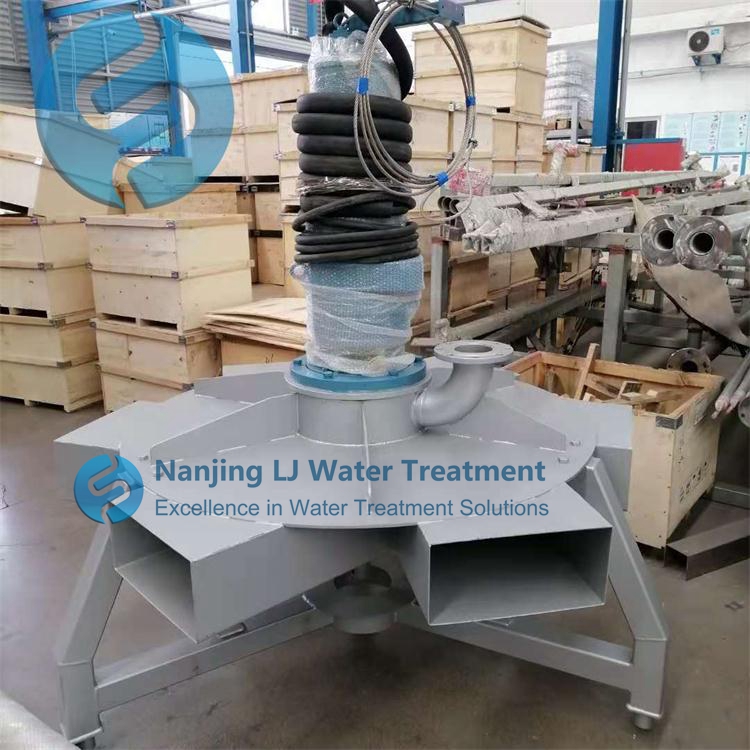
Performance requirements for aeration mixer regarding water depth pressure resistance
When deploying aeration mixers in deep water bodies, the ability to withstand sustained hydrostatic pressure is a non-negotiable performance requirement that directly impacts long-term operational stability and safety. Many teams overlook depth-specific pressure constraints during initial setup, assuming standard surface-rated components will hold up at greater depths, only to face unexpected leakRead more -
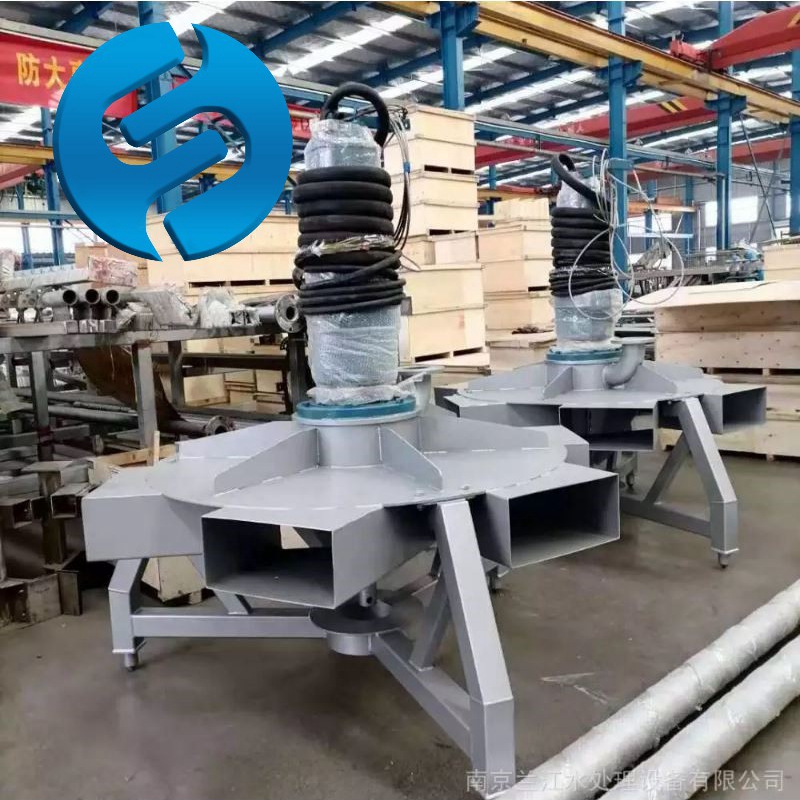
Reference indicators for energy consumption control of aeration mixer
When managing an aeration system, tracking and adjusting against clear energy consumption reference metrics helps operators cut unnecessary waste while keeping dissolved oxygen and mixing performance at stable, reliable levels. Many facilities run their aeration mixers at full power 24/7 without any targeted monitoring, leading to months of excess energy draw that delivers no tangible improvementRead more -
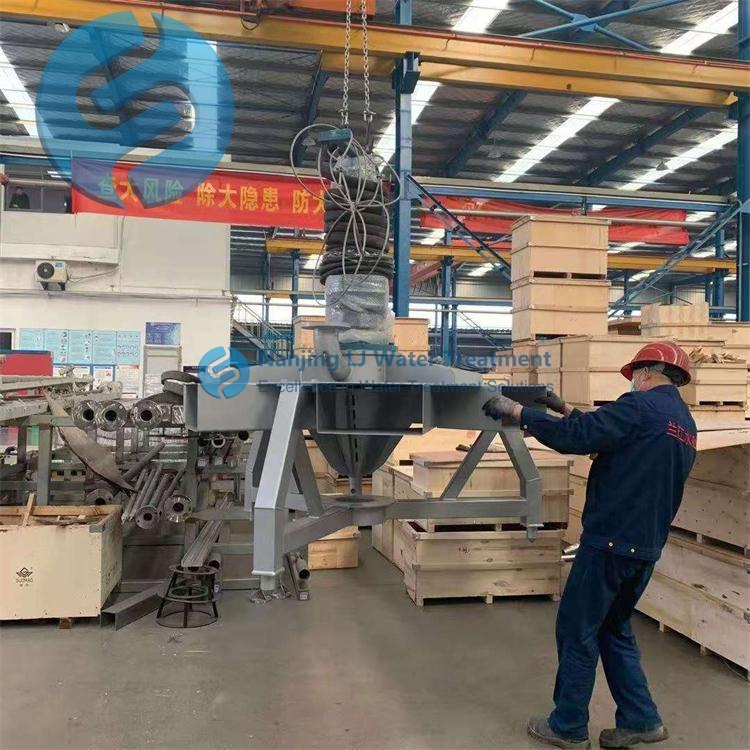
Aeration mixer water body push-flow parameters
When optimizing an aeration mixer system, the water push flow parameter stands as one of the most critical, yet often misunderstood, variables that shapes full-system circulation and long-term water quality outcomes. Many operators focus only on oxygen transfer numbers and overlook how much water the system actually moves per unit of time, leading to situations where small bubbles are generated buRead more
