Optimizing water treatment efficiency with well-matched aeration mixer solutions is a core priority for facilities aiming to balance stable effluent quality and long-term operational reliability. Every component in the aeration system works in tandem to support microbial activity, and a carefully structured matching strategy directly eliminates common pain points like uneven oxygen distribution, unnecessary energy waste, and frequent performance degradation.
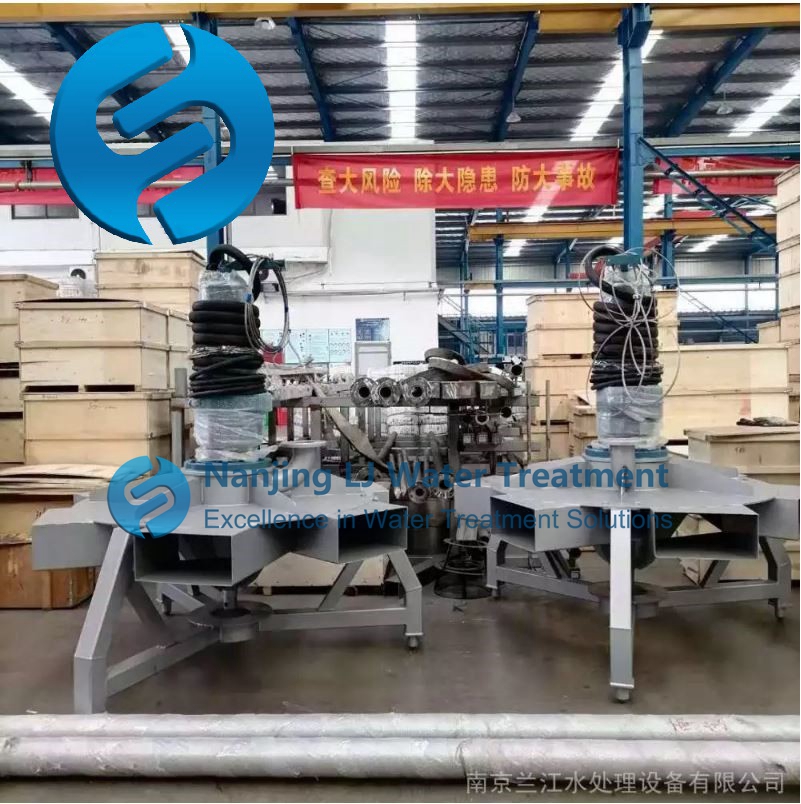
Matching Aeration Mixer Layout to Tank Hydraulics
Aligning the arrangement of aeration units with the specific hydraulic characteristics of your biochemical tank lays the foundation for consistent, high-efficiency operation. Start by mapping the oxygen demand gradient across different sections of the tank, placing more dense aeration coverage in zones with high organic load and reducing aeration density in post-aeration areas where microbial oxygen requirements drop.
For push-flow aeration tanks, arrange aeration points in a staggered pattern to eliminate dead mixing zones where sludge could settle and create localized anaerobic conditions. For deep tank systems, adjust the vertical installation height of aeration units to extend the gas-water contact path, ensuring fine bubbles travel through a longer water column to maximize oxygen transfer before reaching the surface.
When working with tanks that have irregular shapes or internal baffles, add supplementary low-energy mixing components in corners and narrow gaps to prevent areas of stagnant flow. This prevents uneven sludge suspension that would otherwise reduce the overall treatment capacity of the system.
Adapting Mixer Types to Specific Wastewater Characteristics
Different wastewater compositions place unique demands on aeration performance, so the mixer structure must be selected to match the properties of the water being treated. For domestic wastewater with moderate suspended solid levels, prioritize designs that produce uniformly fine bubbles to maintain steady dissolved oxygen levels across the entire tank volume.
For industrial wastewater with high salinity or high scaling potential, select aeration structures that resist fouling and prevent crystal buildup on internal components. These designs maintain consistent airflow even after months of continuous operation, avoiding the gradual drop in performance that comes with clogged orifices.
For MBR systems, choose aeration structures that deliver both sufficient oxygen supply and strong scouring effect on membrane surfaces. This combination reduces the frequency of membrane fouling, extending the interval between cleaning cycles and supporting longer, more stable continuous operation.
Integrating Aeration Mixer Operation with Real-Time Water Quality Monitoring
Even the most well-designed physical layout will underperform if it relies on fixed, manual airflow settings that cannot respond to dynamic changes in incoming water quality. Install dissolved oxygen sensors at multiple depths and across different tank sections to capture accurate, representative data that reflects actual oxygen conditions rather than single-point readings that may not match real system needs.
Link these monitoring points to a dynamic control framework that automatically adjusts aeration output based on real-time readings. When incoming COD or ammonia nitrogen levels rise unexpectedly, the system can increase aeration volume in high-demand sections in advance, preventing oxygen deficiency that would disrupt microbial treatment efficiency. When organic loads drop during low-flow periods, the system reduces unnecessary aeration output to cut down redundant energy consumption.
Calibrate all monitoring sensors on a regular monthly schedule using standard calibration solutions, and select sensor models with built-in self-cleaning functions to prevent biofilm attachment from distorting readings. Accurate, reliable data ensures the entire control system operates with precise, responsive adjustments that keep efficiency consistently high.
Building a Coordinated Maintenance Routine for Long-Term Performance
A high-efficiency matching solution does not end at installation, it requires a structured, regular maintenance schedule to preserve optimal performance year after year. Conduct routine visual inspections of aeration points on a weekly basis, checking for any areas where airflow appears weak or uneven, which can signal early signs of orifice blockage.
Every 3 to 6 months, perform targeted cleaning cycles to remove accumulated biological attachments and inorganic scale from aeration components. Use gentle, non-damaging cleaning methods that clear blockages without wearing down key structural parts that maintain consistent bubble size. Inspect all connected air piping and seals at the same time, fixing any minor air leaks before they develop into larger issues that waste blower output.
Track operational performance data over time, recording changes in system resistance, airflow uniformity, and dissolved oxygen transfer rates. This historical data helps you identify the exact right moment to perform component updates, before performance drops far enough to hurt effluent quality or drive up unnecessary energy costs.
Aligning Aeration Mixer Performance with Biological Carrier Systems
Many modern water treatment facilities use biological carriers to support larger, more active microbial populations, and the aeration mixer system must be carefully matched to these carriers to unlock their full potential. Adjust aeration intensity to a level that keeps all carriers gently suspended and moving uniformly through the tank, ensuring every part of the carrier surface comes into full contact with wastewater and dissolved oxygen.
Avoid excessive aeration intensity that would create overly strong shear force, which would strip away beneficial biofilm faster than it can regrow and reduce the overall treatment capacity of the carrier system. At the same time, ensure aeration output is strong enough to prevent carriers from settling to the tank bottom, which would create dead zones that disrupt the overall treatment process.
Design the entire aeration and carrier system as a single integrated unit from the initial planning stage, rather than selecting components separately from uncoordinated sources. This unified design ensures that airflow patterns, mixing force, and carrier movement work in perfect harmony, eliminating mismatches that would otherwise create hidden inefficiencies and operational headaches down the line.
Post time:2026-10-09
