Replacing Old Aeration Mixers: Installation Guide for Equipment Swap-Out
Pulling a mixer that has been running for fifteen years out of a basin full of sludge and corrosive water is not a simple swap. The old unit is stuck to its mounting, the cable is brittle, the basin walls have built up deposits that change the flow patterns, and the new unit has to fit into a space that was never designed for it. Skip the planning phase and you end up with a new mixer that vibrates, overheats, or fails within months. This guide covers what actually happens on site when you replace aging aeration mixers and how to do it without turning a routine job into an emergency.
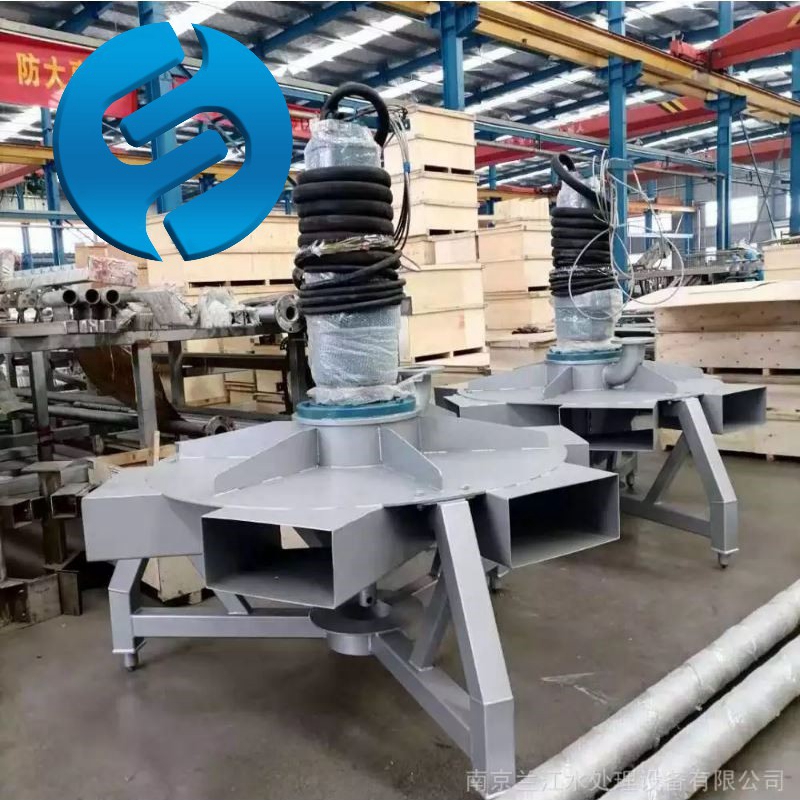
Assessing the Old Unit Before You Touch Anything
What the Old Mixer Tells You About the Basin
Before pulling the old mixer, document everything. Take photos of the mounting flange, the cable entry point, the impeller condition, and the surrounding basin wall. A mixer that has been running for a decade will show you exactly what the basin environment has been doing. Heavy corrosion on the flange means the water chemistry is aggressive. A cracked impeller hub points to fatigue from constant thermal cycling. Buildup on the basin floor near the old unit tells you whether the flow pattern is still effective or if the whole basin needs attention.
Check the electrical cable before disconnecting it. Measure insulation resistance with a megohmmeter. If the reading is below 10 megohms, the cable is compromised and you need to replace it entirely, not just reuse it with a new gland. Old cables in aeration basins absorb moisture through the jacket over time, and that moisture does not come out just because you disconnect the mixer.
Note the exact mounting bolt pattern, flange diameter, and shaft orientation of the old unit. The new mixer must match these dimensions or you are looking at custom adapters, which adds cost and introduces failure points.
Draining the Basin or Working Wet
Most operators want to drain the basin before pulling the old mixer. That makes sense on paper. In practice, draining a large aeration basin takes days, and every day without aeration means the biological process stalls, ammonia spikes, and the plant goes into alarm mode.
If you cannot afford to drain, plan for a wet removal. Use a diver or a remotely operated vehicle to disconnect the cable and unbolt the flange underwater. Have a dewatering pump ready to lower the water level around the work area just enough to get hands on the mounting bolts. This is slower than working dry, but it keeps the plant running.
Removing the Old Mixer Without Damaging the Basin
Dealing with Seized Bolts and Corroded Flanges
Old mounting bolts in aeration basins do not come out easy. Years of exposure to wastewater and hydrogen sulfide turn steel bolts into rusted stumps. Applying penetrating oil and waiting 24 hours is the minimum. In many cases, you will need to cut the bolts with a reciprocating saw or an underwater cutting torch.
Do not use a grinder on the basin floor. Sparks near a basin that may still contain flammable gas are a serious hazard. Use a hydraulic bolt cutter or a pneumatic impact wrench with the right socket size. If the flange is welded to a riser pipe instead of bolted, you need to cut the welds, not force the flange off. Forcing it will crack the pipe and create a leak that is much worse than the mixer you are replacing.
When the flange comes free, clean the mating surface on the basin wall or riser. Use a wire brush or a power tool to remove all gasket material, corrosion, and sludge. The new gasket must seal against a clean, flat surface. Any debris left behind will cause leaks around the new flange within weeks.
Cable Removal and Disposal
The old cable does not get reused. Even if it looks fine on the outside, the insulation inside has degraded from years of heat, vibration, and chemical exposure. Cut the cable at least 30 centimeters from the old gland and pull it out with the mixer. Leave no cable stubs in the basin. A leftover cable end can snag on the new impeller or interfere with the flow pattern.
If the cable runs through a conduit or riser pipe, pull it out completely. Inspect the conduit for cracks, blockages, or biofilm buildup. Clean it out before installing the new cable. A clogged conduit makes future maintenance impossible.
Installing the New Mixer in an Old Space
Aligning the New Unit to the Existing Mounting
The new mixer has to sit exactly where the old one sat. Any shift in position changes the flow pattern in the basin, and that can create dead zones where sludge accumulates or short-circuiting where fresh influent bypasses the treatment process entirely.
Use the old flange bolt holes as a template. If the new mixer uses a different bolt pattern, do not drill new holes in the basin wall. Drilling into concrete or fiberglass basins weakens the structure and creates leak paths. Use an adapter plate that bolts to the existing holes and provides the correct pattern for the new mixer.
Torque the mounting bolts in a star pattern, not in sequence. Tighten each bolt to one-third of the final torque, then go back and tighten to two-thirds, then finish at full torque. This prevents the flange from warping and ensures an even gasket compression.
Reconnecting the Cable Underwater
The cable connection for the new mixer must be treated the same way as a fresh installation. Use a new gland, new heat shrink or cold shrink termination, and test the insulation resistance before submerging. Do not reuse the old gland or the old termination, even if it looks intact.
Route the cable along the same path as the old one if possible. That path was already checked for clearance and protection. If you need to reroute the cable, follow the same burial depth and protection rules as a new installation. The cable must not cross over sharp edges, exposed rebar, or areas where it can be crushed by the mixer housing during operation.
Leave enough slack in the cable near the mixer mounting point. An S-bend or service loop with a minimum radius of 0.5 meters gives you room to pull the mixer out again in the future without stressing the cable entry point.
