When managing dissolved oxygen levels in dynamic water treatment environments, precise air intake adjustment capabilities become one of the most critical control points for balancing treatment efficiency against energy consumption. Many aeration systems operate with fixed or limited gas flow settings, forcing operators to choose between over-aerating during low-demand periods or under-aerating during peak loads, both of which waste resources and compromise water quality. Advanced intake regulation allows real-time matching of oxygen delivery to actual biological demand, creating a responsive system that adapts to changing conditions without constant manual intervention.
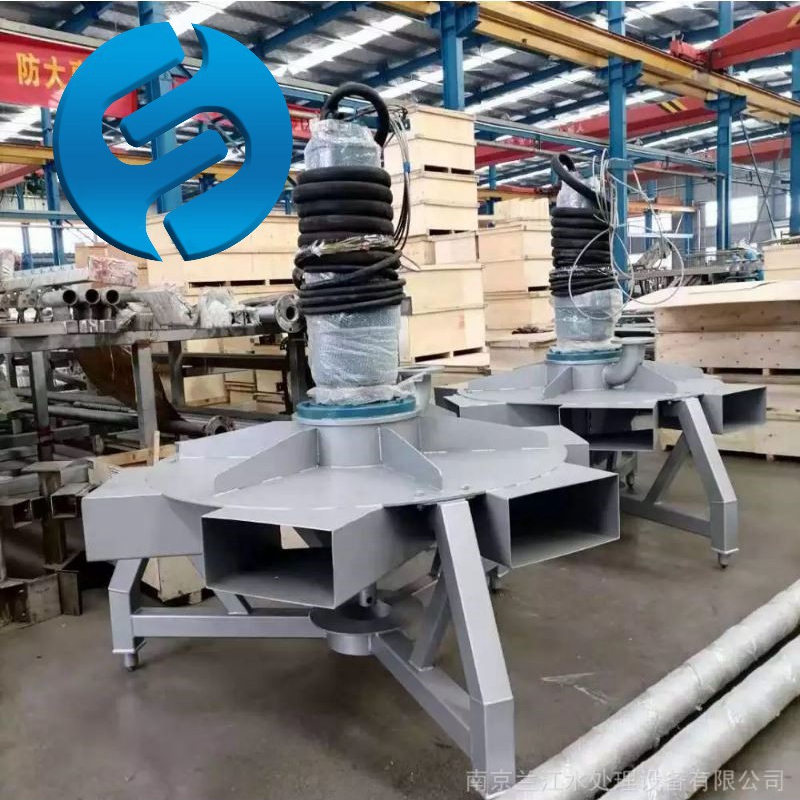
Fine-resolution gas flow modulation for demand-based aeration
This performance parameter measures the system’s ability to make small, incremental adjustments to air intake volume, allowing operators to dial in exactly the amount of oxygen needed for current conditions without large, disruptive step changes. Fine control is especially important in systems with sensitive biological cultures, where sudden shifts in dissolved oxygen can stress or kill beneficial microorganisms, setting back treatment progress by days or weeks. The benchmark here requires smooth, linear adjustment across the full operating range, with no dead zones or sudden jumps in flow that could disrupt process stability. This level of control also enables automated systems to respond to real-time sensor data, increasing air during high-load daytime periods and reducing it overnight when oxygen demand drops, optimizing energy use without sacrificing treatment quality.
Rapid response time for sudden load change events
Wastewater systems frequently experience sudden influxes of high-strength organic material from industrial discharges, stormwater inflow, or periodic process upsets. This parameter defines how quickly the air intake system can ramp up from baseline to peak flow rates to meet these unexpected oxygen demands before dissolved oxygen levels crash. Fast response requires low-inertia control mechanisms and minimal lag between the command signal and actual gas flow change, ensuring that oxygen delivery increases in time to prevent anaerobic conditions from developing. The performance standard here is measured in seconds or minutes, not hours, with clear thresholds for minimum acceptable response speed based on basin volume and typical load fluctuation patterns. Systems that meet this benchmark can handle shock loads without the need for oversized, constantly running aeration capacity that wastes energy during normal operation.
Stable flow maintenance under variable backpressure conditions
As water depth changes or debris partially blocks intake filters, the pressure against which the air delivery system must push can fluctuate significantly. This performance parameter ensures that gas flow volume remains steady despite these backpressure variations, delivering consistent oxygen transfer regardless of external conditions. The key mechanism here is either a pressure-compensating control system or a design that is inherently insensitive to normal backpressure swings, preventing the common problem of reduced aeration efficiency when water levels rise or intake screens begin to load up with material. This stability is particularly important in tidal-influenced applications, stormwater basins with widely fluctuating levels, or any system where regular maintenance intervals might allow some filter blockage between cleaning cycles.
Even the most efficient aeration hardware can underperform if its gas delivery system cannot match oxygen output to real-time process needs. Testing intake response under simulated load change scenarios will show you how well your current system can adapt to the variable conditions that every treatment facility eventually faces.
Post time:2026-08-05
