Where to Install Aeration Mixers in Aquaculture Ponds: A Practical Placement Guide
Getting the oxygen right in a fish pond is half the battle. But putting your aeration mixer in the wrong spot? That can turn a solid investment into wasted electricity and stressed fish. The location you choose determines whether dissolved oxygen actually reaches the depths where fish live, whether dead zones form, and whether your system runs efficiently year-round.
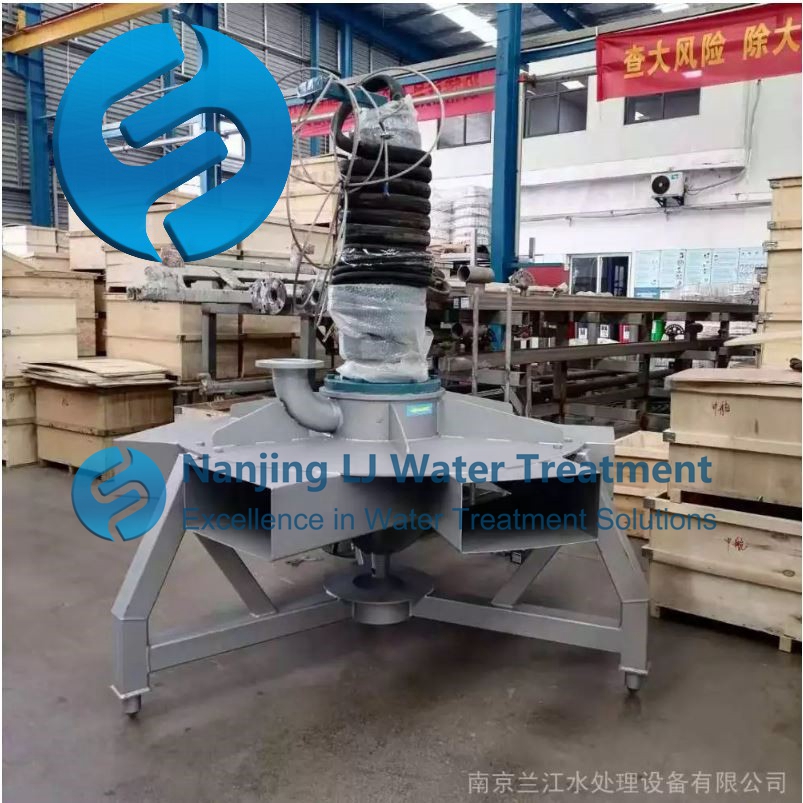
Why Placement Matters More Than You Think
Oxygen doesn't just sit where you pump it. In a typical aquaculture pond, dissolved oxygen (DO) levels vary dramatically across space and time. Surface water may be supersaturated during the day, while the bottom can drop to dangerous lows at night. A mixer that sits in one corner won't fix that. It creates a localized bubble of improvement while the rest of the pond suffocates.
Research consistently shows that aeration improves water quality only when it distributes oxygen evenly across the entire water body. Poor placement leads to density problems, algae blooms, and fish health issues — exactly what you're trying to prevent. Multiple units are often needed, and their positioning must be planned so they work in concert, not against each other.
Shallow Ponds: Keep It Simple and Central
For ponds under 8 feet deep, surface-mounted aerators like paddlewheel or vertical pump units are the go-to choice. These devices throw water into the air or push it horizontally, creating circulation that breaks up thermal layers and spreads oxygen across the surface.
The best spot for these units is near the center of the pond or slightly offset toward the prevailing wind direction. Wind already pushes surface water in one direction, so placing your aerator to complement that flow maximizes coverage without burning extra energy. Avoid tucking units into corners or against steep banks — the water there tends to stagnate, and you'll end up with dead spots where sludge accumulates and oxygen never reaches.
Vertical pump aerators can be mounted on docks, poles driven into the pond bottom, or tripod stands. The key is ensuring the impeller sits at the right depth — minimum operating depths range from 21 to 48 inches depending on unit size and pumping efficiency. Some units can be fully submerged to reduce surface disturbance, which works well when you want circulation without splashing.
Deep Ponds and Diffused Systems: Think Bottom-Up
When depth exceeds what surface aerators can handle, diffused air systems become necessary. These use shore-mounted compressors connected to weighted air lines that run along the pond bottom, with diffusers releasing millions of fine bubbles as they rise.
Installation here follows a different logic. Place diffusers along the pond floor in a grid or linear pattern that covers the entire bottom area. The rising bubbles drag low-oxygen water upward, creating a full-column mixing effect. This bottom-up approach is far more effective at eliminating thermal stratification than any surface device.
Critical rule: never cluster all diffusers on one side. Spacing matters. If your pond is rectangular, run lines along the long axis. If it's irregular, map out the deepest points first — those are where oxygen depletion hits hardest. Intake screens or cages should be installed on every unit to keep debris and fish out of the impeller housing.
Avoiding Dead Zones and Maximizing Coverage
Every pond has trouble spots — areas near inflows, behind structures, or along shallow shelves where water barely moves. These are the first places where organic matter piles up, BOD spikes, and oxygen crashes.
Position at least one aeration unit to directly target these zones. For example, if your pond has a sloped floor with a cone bottom, standard diffusers may leave a dead space beneath them where solids settle. Systems with circular headers that conform to the floor slope eliminate those gaps entirely.
When using multiple units, stagger them so their circulation patterns overlap. Think of it like lighting a room — one lamp in the corner leaves half the space dark. Overlapping coverage ensures no area falls through the cracks.
Seasonal Adjustments You Can't Ignore
Placement isn't a one-time decision. In warm months, thermal stratification becomes the enemy. Aerators should run continuously to prevent the pond from splitting into a warm oxygen-rich top layer and a cold oxygen-starved bottom layer. Improperly managed aeration during stratified conditions can actually trigger fish kills by bringing anoxic bottom water to the surface too quickly.
During cooler seasons, reduce the number of active units or reposition them closer to high-density fish areas. Demand drops, but the risk of localized oxygen depletion near feeding zones goes up.
Practical Installation Tips That Save Headaches Later
Choose locations where units can be easily accessed for maintenance. Units with extensions or docks that reach to the pond edge make removal and repositioning simple — especially at harvest time when you need to clear the pond.
For jet-style aerators that draw air through a Venturi and inject it at depth, aim the nozzle downward at a 25 to 45 degree angle. This drives bubbles 5 to 6 feet deep while pushing water horizontally, giving you both oxygen transfer and circulation in one shot.
Always verify electrical specifications at the site before installation. A unit in the perfect hydraulic spot is useless if the power feed can't reach it safely.
The bottom line: your aeration mixer is only as good as where you put it. Map your pond, identify the dead zones, respect the depth, and let the water tell you where the oxygen needs to go.
Post time:2026-06-15
