Sludge accumulation on an aeration mixer is a common operational issue that gradually blocks flow passages, reduces dissolved oxygen transfer efficiency, creates unbalanced rotating loads, and raises overall system energy consumption over extended wastewater treatment runs. Regular, targeted sludge removal and maintenance work can restore the equipment’s original mixing performance, extend its service life, and prevent unexpected operational disruptions caused by thick, hardened sludge layers.
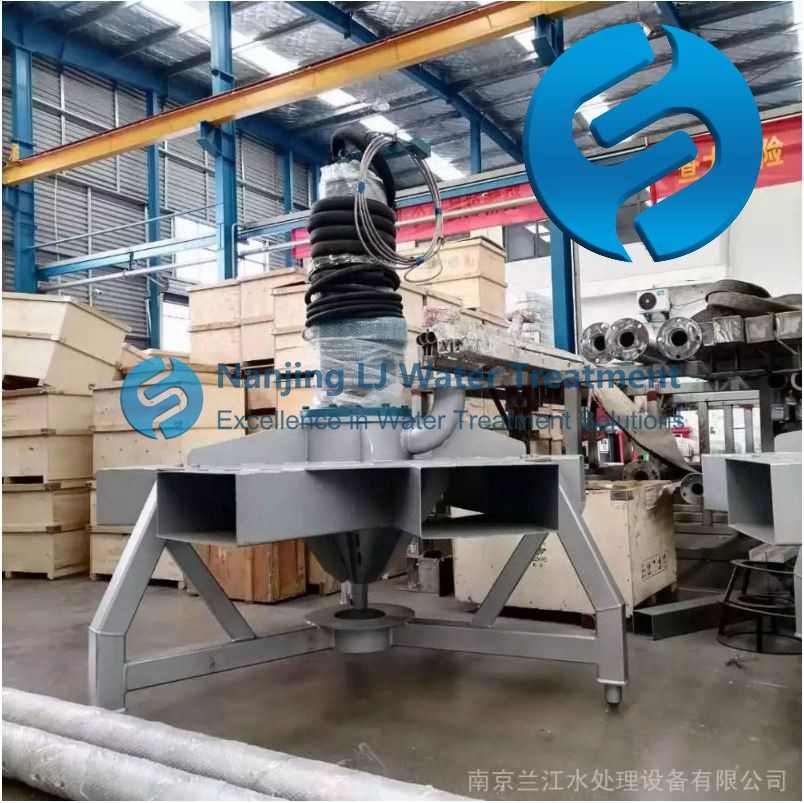
Pre-cleaning safety assessment and on-site preparation
Before starting any sludge removal work, technicians first follow strict lockout-tagout procedures to cut off all power and air supply connections to the aeration mixer, ensuring no accidental startup can occur during the entire maintenance process. They drain the water level around the equipment to a safe working height, and test the local ambient air quality near the tank to rule out risks from accumulated harmful gases released by disturbed sludge. Technicians then inspect the overall distribution of sludge on the mixer’s external structure, impeller surfaces, and adjacent flow guiding components, recording the thickness, hardness, and adhesion characteristics of the sludge layer to select the most suitable cleaning method. They also prepare all necessary protective tools and cleaning supplies in advance, making sure no loose small parts are left near the tank that could accidentally fall into the water system during the operation. This full pre-work preparation eliminates most avoidable safety risks and prevents secondary contamination to the wastewater treatment system.
Layered sludge removal and component deep cleaning
Technicians start the cleaning process by first removing loose, soft surface sludge with low-pressure water jets, taking care to direct the water flow along the direction of component gaps instead of forcing high-pressure streams directly onto precision sealing surfaces or sensitive dynamic balance areas. For hardened, tightly adhered sludge that cannot be washed away easily, they use non-abrasive soft scraping tools to gently peel off the deposits, avoiding scratching the metal surface that would otherwise create new areas for faster sludge re-adhesion in future runs. All hidden gaps around the impeller hub, connection flanges, and aeration pore areas are carefully cleaned to remove trapped residual sludge that could cause partial blockage or unbalanced rotation. Technicians also inspect the surrounding mounting base and submerged support structures, clearing all accumulated sludge that could create localized corrosion or weaken structural stability over time. This layered cleaning approach ensures full sludge removal without causing unintended damage to the equipment’s core functional components.
Post-cleaning inspection and operational performance restoration
After all sludge is fully removed, technicians rinse the entire work area to clear away all residual sludge debris, making sure no loose waste is left near the equipment or inside the tank. They conduct a full visual inspection of every cleaned component, checking for hidden corrosion spots, surface wear, or seal damage that were previously covered by thick sludge layers. All lubrication points on the rotating assembly are inspected and refilled with appropriate lubricant to compensate for any lubricant loss caused by long-term sludge immersion. After all checks are completed, technicians restore the water level, reconnect power and air supply, and run the aeration mixer through a gradual startup test at different operating speeds. They monitor operating current, vibration level, mixing flow uniformity, and initial dissolved oxygen output to confirm all performance indicators return to the original design range. This full post-cleaning validation ensures the equipment operates smoothly after maintenance, with no residual hidden issues left behind.
In wastewater treatment facilities that process high-density organic sewage, scheduling this kind of sludge removal maintenance at regular intervals can effectively prevent excessive sludge buildup that would otherwise force the aeration mixer to run under continuous overloaded conditions.
Post time:2026-08-21
