News
-
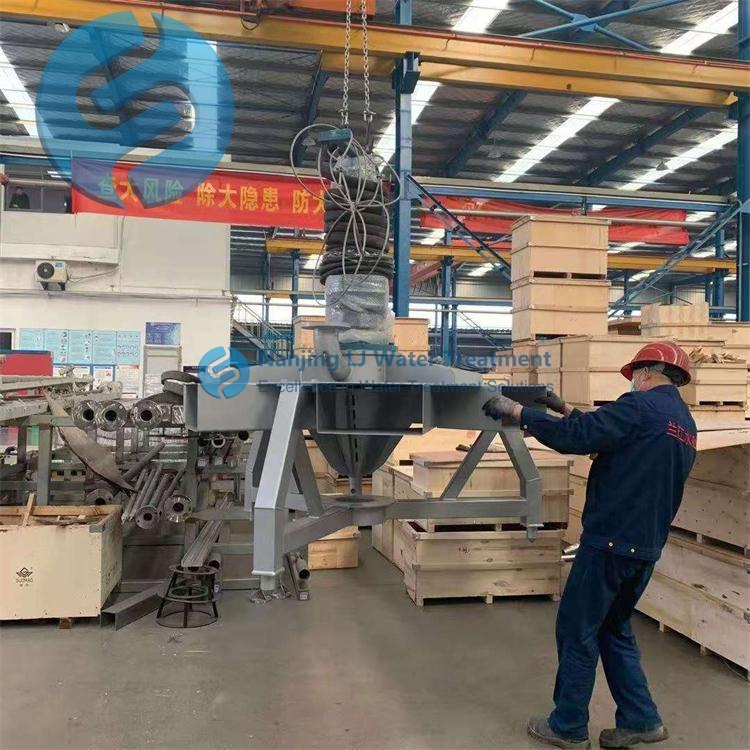
Aeration mixer water body push-flow parameters
When optimizing an aeration mixer system, the water push flow parameter stands as one of the most critical, yet often misunderstood, variables that shapes full-system circulation and long-term water quality outcomes. Many operators focus only on oxygen transfer numbers and overlook how much water the system actually moves per unit of time, leading to situations where small bubbles are generated buRead more -
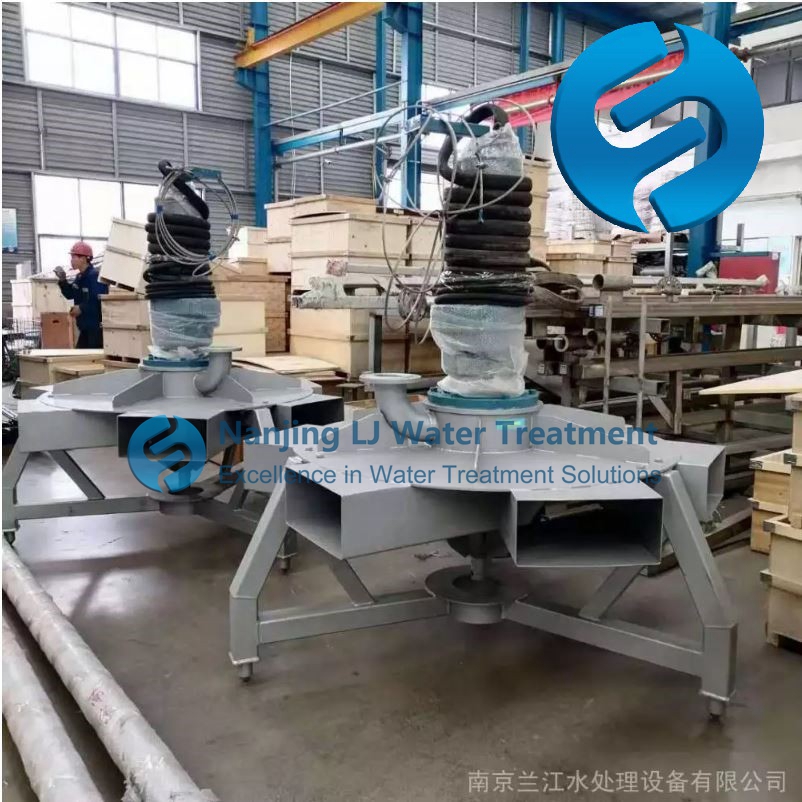
Standard for Improving Oxygen Dissolution Efficiency of Aeration Mixers
When working to boost dissolved oxygen transfer in any water treatment or aquaculture system, following clear, field-tested efficiency standards helps you avoid wasted energy and inconsistent water quality results. Many operators make incremental tweaks to their aeration setup without referencing established performance benchmarks, leading to months of unnecessary high electricity use and persisteRead more -
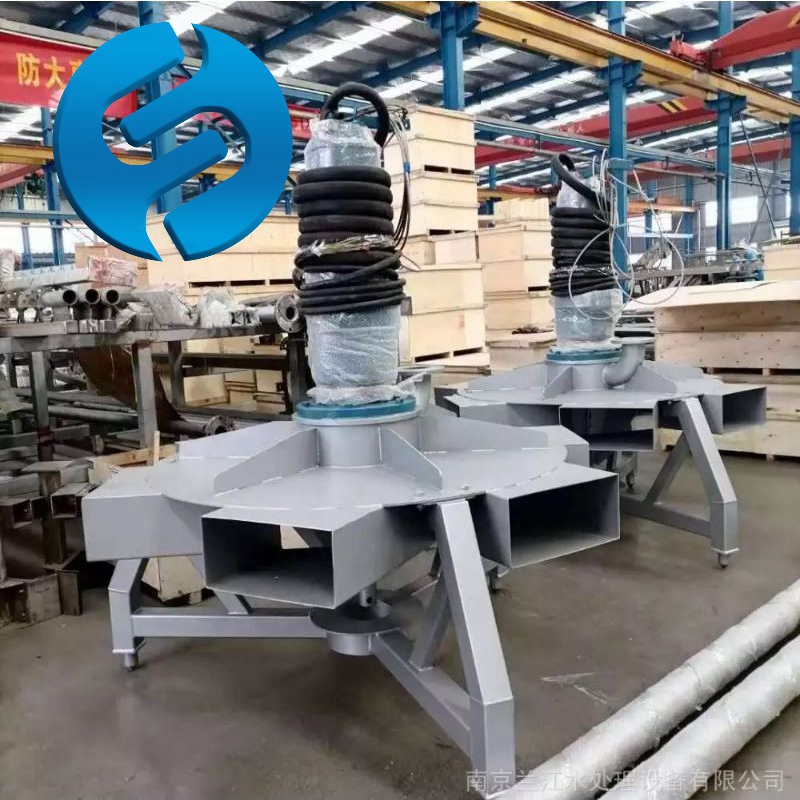
Aeration mixer water depth adaptation performance parameters
When selecting and tuning an aeration mixer for a specific site, matching its performance parameters to actual operating water depth is one of the most impactful steps to avoid underperformance and unnecessary energy waste. Many operators rely on generic surface-area sizing rules and overlook depth-specific constraints, leading to dead low-oxygen zones in deeper basins or excessive, energy-wastingRead more -
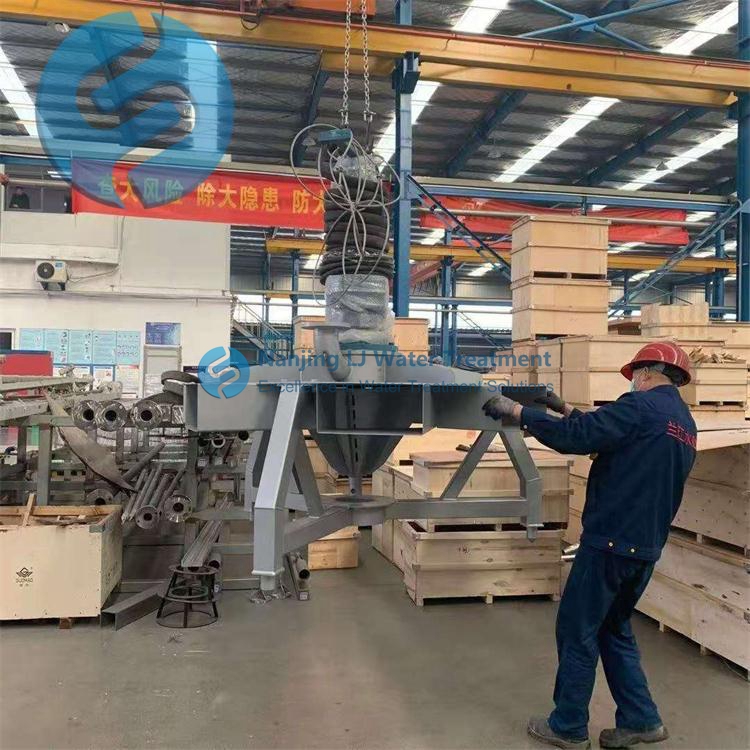
The operating speed of the aeration mixer affects the aeration effect.
When optimizing aeration mixer performance, operating rotational speed stands out as one of the most adjustable, high-impact variables that directly shapes every part of gas-liquid interaction in the water body. Many operators set speed to a fixed value at installation and never adjust it again, missing out on easy, no-cost tweaks that can boost oxygen transfer and mixing uniformity significantly.Read more -
The rated power of the aeration mixer is matched to the size of the water area.
When sizing an aeration mixer for your water body, matching its rated power to the actual water area and depth is the most critical step to avoid wasted energy and poor oxygen distribution. Many property owners and site managers make the mistake of over-sizing units to “be safe,” which drives up unnecessary electricity costs without delivering better water quality results. Others select underpowerRead more
