Fish pond oxygenation is one of the most impactful daily management tasks for any aquaculture operation, and aeration mixers have become a core tool for addressing the dual challenges of boosting dissolved oxygen levels and keeping full water columns actively circulating. Unlike surface-only aeration tools that only exchange gas at the top layer of water, these systems move through the entire depth of the pond, eliminating the gap between oxygen-rich surface water and the often overlooked low-oxygen zones near the pond bottom. This functionality draws directly on decades of hands-on pond management experience, where small, consistent improvements to oxygen distribution have been shown to drive major gains in stock health, growth rates, and harvest reliability across all types of freshwater and brackish fish farming setups.
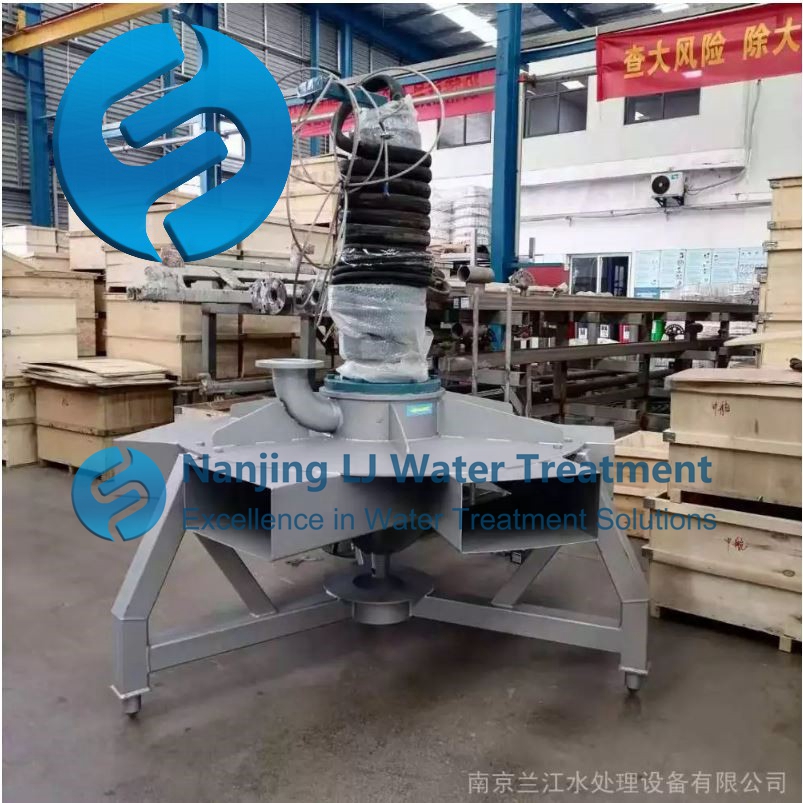
Bottom zone oxygenation for organic decomposition control
The lowest layer of a fish pond is where most uneaten feed, fish feces, and decaying plant debris settle and accumulate over the course of a growing cycle. Without consistent oxygen reaching this area, these organic materials break down through anaerobic processes that release toxic byproducts, create foul odors, and slowly erode overall water quality. Even if surface dissolved oxygen readings appear perfectly normal, the hidden low-oxygen zone near the pond floor can create chronic stress for bottom-dwelling fish species and set the stage for sudden, unexpected water quality crashes during hot weather or extended periods of cloud cover.
Aeration mixers pull surface water that holds high dissolved oxygen levels down toward the pond bottom, while simultaneously lifting bottom water up to the surface to release trapped gasses like carbon dioxide and hydrogen sulfide. This continuous exchange ensures that the bacteria responsible for breaking down organic waste have access to the steady oxygen supply they need to work efficiently, preventing waste from building up into thick, nutrient-heavy sediment layers. Many experienced pond managers who have worked through multiple growing seasons note that consistent bottom-layer oxygen access also drastically reduces the frequency of harmful algal blooms, since the excess nutrients that usually feed rapid algae growth get processed by beneficial bacteria instead.
Emergency oxygen support during high-risk periods
Warm summer nights, extended stretches of overcast weather, and sudden spikes in water temperature are all common high-risk windows where pond dissolved oxygen levels can drop far below safe thresholds in just a few hours. During these events, aquatic plants stop producing oxygen through photosynthesis and instead begin consuming it, while higher water temperatures reduce the total amount of oxygen that can stay dissolved in the water column. Even ponds that appear well-aerated under normal daytime conditions can quickly reach dangerously low oxygen levels that force fish to crowd at the water surface gasping for air, and in severe cases lead to large-scale stock loss.
Aeration mixers are designed to run continuously through these high-stress periods, creating steady, wide-reaching water movement that prevents oxygen levels from dropping to life-threatening levels. Unlike small, localized aeration sources that only create a small safe zone right around the unit, these mixing systems circulate oxygenated water across the full expanse of the pond, so no section of the water body gets left behind in a low-oxygen event. Many seasoned fish farmers keep detailed logs of pond dissolved oxygen trends across different weather conditions, and they use that data to turn their aeration mixers on slightly before oxygen levels begin to drop, rather than waiting until fish show visible signs of stress. This proactive approach drastically reduces emergency risk and creates far more stable growing conditions through the hottest, highest-risk months of the year.
Even oxygen distribution across uneven pond terrain
Most commercial fish ponds are not perfectly flat on the bottom, and many have shallow edges, deep central trenches, and hidden low spots where water flow naturally slows down and stagnant conditions can develop. These uneven terrain features make it very difficult for single-point aeration tools to deliver consistent oxygen coverage to every part of the pond, leaving large pockets of water where dissolved oxygen levels sit well below the average reading taken near the pond center. Fish will naturally avoid these low-oxygen areas, crowding into the small sections of the pond that have good water quality and creating unnecessary competition for feed and living space.
Aeration mixers create directional, far-reaching flow patterns that move oxygenated water around natural pond terrain obstacles, reaching shallow edges and deep low spots that would otherwise remain stagnant. This even distribution means every section of the pond supports healthy, active fish, allowing operators to use far more of their total pond area for stock rather than writing off large low-oxygen zones as unusable space. Many long-time pond operators adjust the positioning and flow direction of their mixers gradually over the first few weeks of a new growing season, testing dissolved oxygen levels at multiple points across the pond to refine the flow pattern and eliminate the last remaining hidden dead zones. This small investment of time early in the cycle pays off with more uniform fish growth, better feed conversion efficiency, and far fewer unexpected water quality issues through the rest of the production period.
Every pond has its own unique depth profile, stock density, and local weather pattern that shapes its exact oxygenation needs, which is why most successful operators combine regular dissolved oxygen monitoring with small, incremental adjustments to their mixer run times and positioning. These small, consistent refinements built up over years of hands-on experience create the most reliable, low-risk growing conditions for long-term pond production.
Post time:2026-10-28
