Recirculating aquaculture systems rely on consistent, well-balanced water movement to maintain stable growing conditions for fish, crustaceans, and other aquatic species, and aeration mixers sit at the core of that critical function. Unlike standalone aeration systems that only introduce oxygen at a single point, these units combine two essential operations in one continuous process: infusing dissolved oxygen evenly throughout the water column, and actively circulating the full volume of water to prevent stagnant zones from forming. This dual role makes them far more versatile for modern aquaculture operations, where even small inconsistencies in water quality can create cascading risks for stock health, feed conversion efficiency, and long-term system productivity.
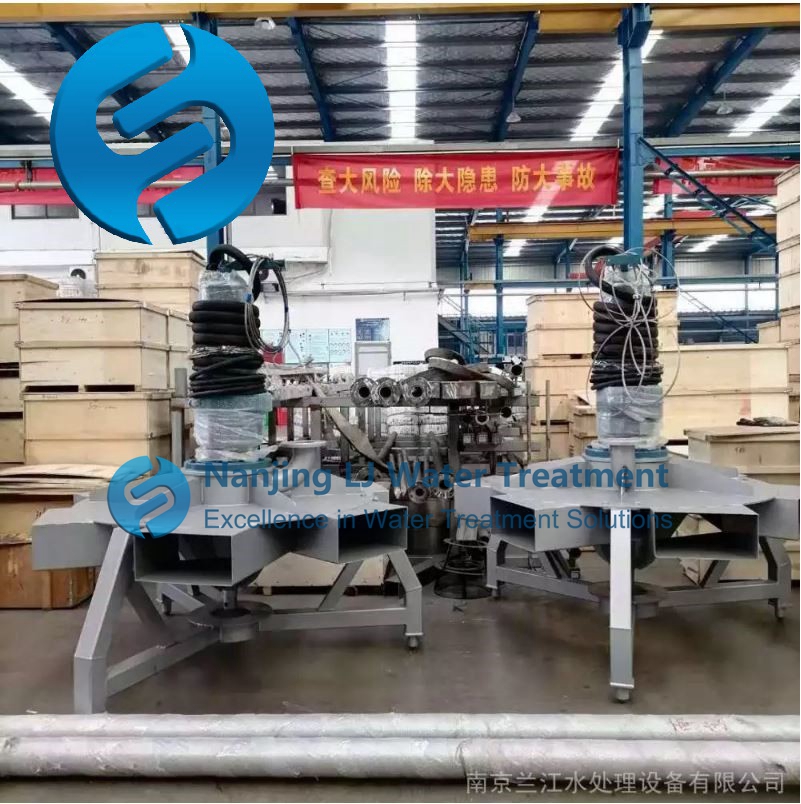
Stratification prevention in large culture tanks and ponds
Even well-designed recirculating systems can develop hidden thermal and chemical stratification over time, where distinct layers of water form with drastically different oxygen levels, temperature readings, and concentrations of dissolved waste. In deep culture tanks or large outdoor ponds, the top layer of water often holds high dissolved oxygen levels and sits several degrees warmer than the cooler, oxygen-depleted water near the bottom. Without active, targeted mixing, this lower layer becomes a trap for uneaten feed, fish waste, and decaying organic matter that gradually releases toxic compounds back into the surrounding water.
Aeration mixers work to break down these stratified layers by creating directional, continuous flow that pulls surface water down toward the bottom of the water column and pushes nutrient-rich, oxygenated water back up to the top. This constant turnover eliminates the physical barriers that separate distinct water layers, creating a uniform environment where water quality readings stay consistent from the surface all the way to the tank floor. Many seasoned aquaculture operators who work with deep, high-density culture systems note that consistent mixing drastically reduces the risk of sudden water quality crashes that often happen when stratified layers unexpectedly mix on their own after a sudden temperature shift or heavy storm event.
Waste transport and biological filter performance
Effective water circulation driven by aeration mixers plays a direct, measurable role in how well solid and dissolved waste moves out of culture tanks and toward the system’s filtration stages. Without consistent, carefully directed flow, fine suspended waste particles settle in quiet corners and dead zones along tank walls, where they accumulate and break down anaerobically to produce ammonia, hydrogen sulfide, and other harmful byproducts. These hidden waste deposits can go unnoticed for weeks, slowly eroding water quality and creating chronic stress for aquatic stock that suppresses appetite, slows growth rates, and increases susceptibility to disease.
By maintaining steady, uniform flow across every section of the culture tank, aeration mixers keep fine waste particles suspended long enough to flow smoothly toward mechanical and biological filtration stages, where they can be captured and processed out of the system. This steady, predictable flow also creates ideal conditions for the beneficial bacterial colonies that live in biological filters, delivering a constant supply of oxygen and waste materials that support healthy, active nitrification. Operators with years of hands-on system management often report that well-calibrated mixing reduces the frequency of filter cleaning and backwashing, because waste does not get trapped and accumulate in unwanted areas before it can reach the dedicated filtration components.
Uniform dissolved oxygen distribution across high-density stock
In high-intensity aquaculture operations where large volumes of stock are kept in a limited water volume, even small variations in dissolved oxygen concentration across different parts of the culture space can create uneven growth patterns and competitive stress among animals. Fish and crustaceans will naturally crowd into the small pockets of water with the highest oxygen levels, leading to overcrowding in one area and underutilized space elsewhere. This uneven distribution creates unnecessary competition for feed, increases the risk of physical damage from aggressive crowding, and forces operators to run far higher aeration capacity than they would otherwise need to maintain acceptable minimum oxygen levels.
Aeration mixers solve this problem by combining direct oxygen infusion with continuous water movement, spreading newly oxygenated water evenly across every section of the tank or pond rather than letting it concentrate in a small area right around the aeration source. This uniform distribution means every animal in the system has equal access to consistent, high dissolved oxygen levels, which supports more even growth rates, better feed conversion ratios, and lower overall stress levels across the entire stock. Many long-term commercial aquaculture practitioners have documented that consistent, well-mixed oxygen distribution also reduces the total energy required to maintain target oxygen levels, because no extra energy is wasted over-aerating one small section of water while other areas remain under-saturated.
Different aquaculture species, system sizes, and operating environments all create unique mixing and aeration requirements, which is why most experienced operators adjust flow patterns and run times gradually over multiple production cycles to find the most reliable balance for their specific setup. Small, incremental tweaks to mixing direction and operating schedule often deliver the biggest improvements in long-term system stability and stock health.
Post time:2026-10-28
