Core Functions of Aeration Mixers in Municipal Sewage Treatment Workflows
Aeration mixers sit at the intersection of two critical processes that keep municipal biological treatment systems running reliably. They do not simply move water around inside treatment tanks, but maintain consistent, controlled agitation that keeps activated sludge particles fully suspended in the water column. This uniform distribution ensures every colony of naturally occurring bacteria has equal access to organic waste, dissolved oxygen, and nutrients, so the biological breakdown process proceeds evenly across the entire tank volume. Without this steady mixing action, heavy sludge solids settle to the tank floor, creating thick, stagnant sediment layers that reduce effective treatment capacity, trap anaerobic bacteria, and release strong, unpleasant odors that spread across the treatment facility. The combined action of mixing and controlled aeration also prevents stratification, where distinct layers of water form with wildly different oxygen levels and treatment performance.
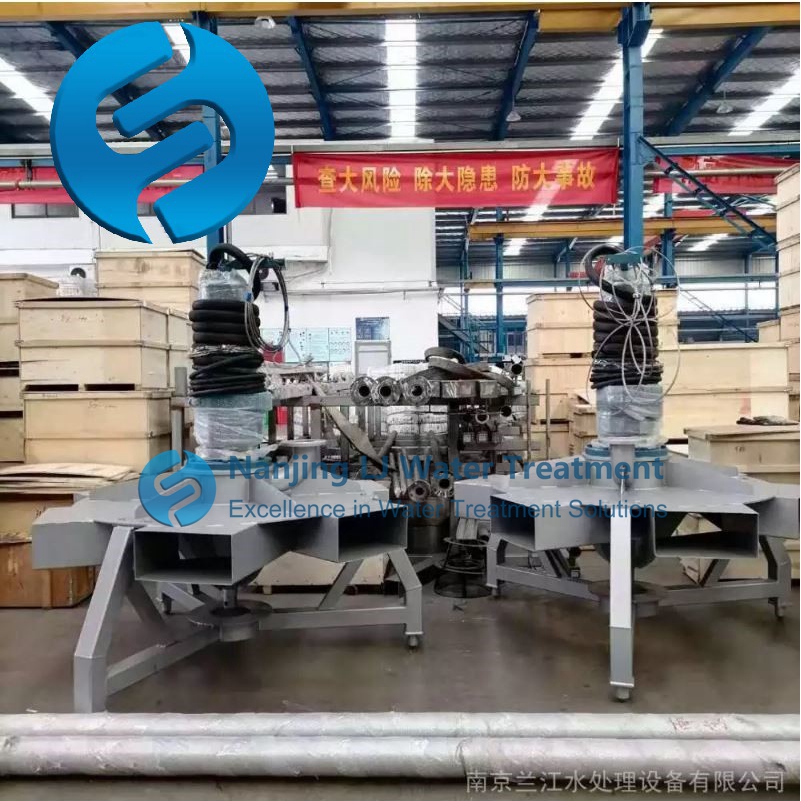
Performance Differences Across Anoxic, Aerobic, and Equalization Tank Applications
In anoxic zones designed for denitrification, aeration mixers are calibrated to deliver strong horizontal thrust that circulates all biomass evenly without introducing excess unwanted oxygen into the water. This precise balance maintains the low-oxygen environment required for specialized bacteria to convert nitrate into harmless nitrogen gas, a key step in removing nitrogen compounds from the final effluent. In fully aerobic activated sludge basins, the same units combine gentle continuous mixing with optimized oxygen transfer, so dissolved oxygen levels stay consistent across every section of the tank, eliminating dead zones where biological treatment would stall. In equalization tanks that receive variable, unpredictable wastewater flows from across the municipal catchment area, aeration mixers homogenize incoming streams with wildly different pH levels, organic loads, and temperatures. This creates a uniform, stable feed for downstream treatment stages, preventing sudden shock loads that would disrupt the delicate balance of the biological system.
Operational Best Practices to Extend Unit Service Life and Reduce Downtime
Routine visual inspections of submerged components, scheduled during low-demand treatment periods, help operators spot early signs of wear on seals, mounting structures, and mixing elements before they escalate into unplanned failures. Operators should track current draw and power consumption trends over time, as gradual unexpected spikes often signal that debris has wrapped around moving parts, or that bearing wear is beginning to create unnecessary mechanical resistance. For facilities that operate in seasonal temperature extremes, adjusting mixer output slightly during cold weather months compensates for higher water viscosity, ensuring full suspension of biomass is maintained without wasting excess power. It is also critical to design access points that allow inspection and maintenance work to proceed without requiring the entire large treatment tank to be drained, which cuts downtime dramatically and prevents unnecessary disruption to the full plant’s treatment schedule.
How Proper Mixer Configuration Improves Overall Process Stability
When aeration mixer placement and output are calibrated to match the exact geometry of each tank, operators can avoid common pain points like uneven sludge distribution, localized over-aeration, and wasted energy. In sequencing batch reactor systems that cycle through fill, react, settle, and decant phases, operators can adjust mixer operation independently to match each stage, pausing agitation completely during the settling phase to let clean clarification happen efficiently. This flexible control also supports consistent performance in membrane bioreactor and moving bed biofilm reactor processes, where steady, non-turbulent mixing keeps suspended carrier media uniformly distributed and prevents membrane fouling from uneven sludge deposition. Over long-term operation, this level of process stability reduces the volume of wasted sludge that requires separate handling, cuts overall oxygen demand for the same treatment load, and helps the facility maintain consistent effluent quality even during periods of high incoming wastewater flow.
Post time:2026-10-30
