Aeration mixer systems play a critical role in modern bioreactor operations, bridging the gap between controlled gas delivery and uniform fluid movement that defines successful bioprocess outcomes. Even minor inconsistencies in how air and mixing energy distribute across the reactor volume can create localized stress zones for cultured organisms, disrupt metabolic activity, and lead to uneven product formation that undermines entire production runs. Process engineers and biotech teams often invest significant effort refining these systems, as their performance directly impacts everything from cell viability to final target compound yield across small lab-scale setups and full industrial production lines.
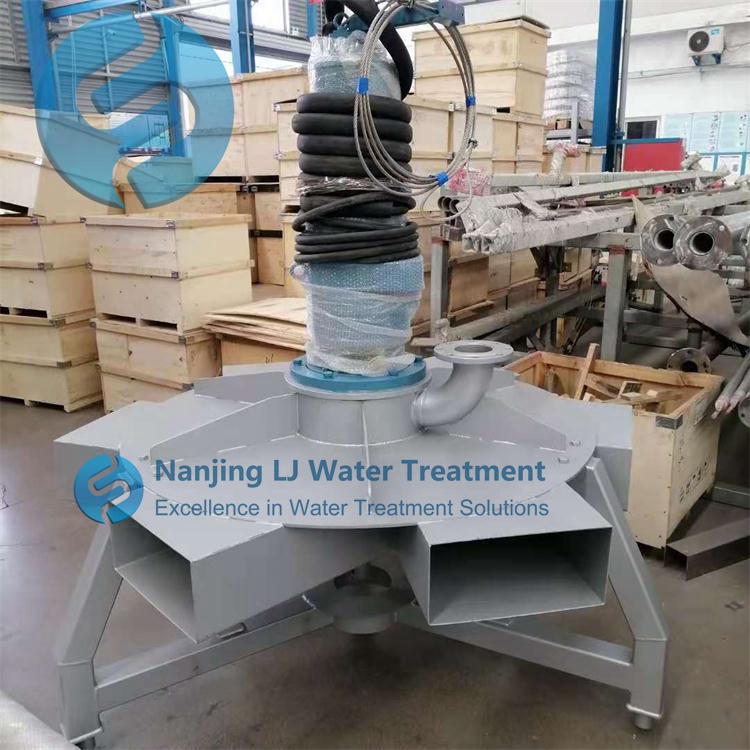
Core working mechanisms that define bioreactor aeration mixing performance
Every aeration mixer built for bioreactor applications operates through two synchronized, non-negotiable functions that work in tandem to support stable culture conditions. The first function focuses on efficient gas dispersion, breaking incoming air or oxygen streams into fine bubbles that maximize the total surface area available for mass transfer between the gas phase and the surrounding liquid medium. The second function delivers controlled bulk fluid movement, ensuring dissolved gases, nutrients, and temperature gradients spread evenly across every section of the reactor rather than remaining trapped near the point of gas injection.
This combined action eliminates the common problem of stagnant zones, where low-oxygen, nutrient-depleted liquid would otherwise accumulate and push local conditions outside the optimal range for the cultured strain. Unlike systems that separate aeration and mixing into completely independent processes, integrated aeration mixer designs align flow patterns with bubble trajectories, preventing large bubbles from rising unchecked to the surface without releasing their dissolved oxygen into the medium. Teams often characterize these mechanisms through detailed fluid dynamic testing, mapping flow velocities, bubble residence time, and shear force distribution to confirm the setup matches the specific sensitivity profile of their target culture.
Scale-up considerations across different bioreactor working volumes
Moving an optimized aeration mixing strategy from small lab-scale bioreactors to larger pilot and production scale units introduces a unique set of challenges that cannot be addressed through simple one-to-one dimensional scaling. In small benchtop systems, the short distance between the gas inlet and the liquid surface often creates naturally uniform conditions that hide subtle mixing gaps, but these gaps amplify dramatically as tank height and total working volume increase. Process teams typically maintain consistent volumetric power input and target gas flow velocity across different scales, rather than copying identical rotation speeds or raw air flow rates, to preserve the same mass transfer and shear environment that delivered strong results at smaller volumes.
Many teams run parallel test batches at intermediate scale to fine-tune aeration mixer performance before committing to full production runs, adjusting flow patterns to ensure no section of the large tank falls outside the validated range for dissolved oxygen and nutrient distribution. They also account for changes in broth viscosity that naturally develop as biomass concentration rises, modifying mixer output dynamically over the course of the cultivation run to compensate for slower fluid movement in denser cultures. This careful, data-backed approach prevents the common scale-up pitfalls that cause unexpected drops in productivity when moving from controlled lab conditions to full industrial operation.
Operational tuning for different bioprocess types and culture requirements
Different bioprocess workflows demand very specific aeration mixer characteristics to protect sensitive cultures and maximize target output. For mammalian cell cultures that are highly sensitive to hydrodynamic shear, operators tune mixer speed and bubble size to keep shear forces well below thresholds that would damage cell membranes, while still delivering enough oxygen to support high-density growth. For fermentation processes involving robust microbial strains, teams can prioritize higher mass transfer rates and more aggressive bulk mixing to support rapid growth and high metabolite production without risking harm to the culture.
Process teams often run structured design of experiments workflows to map how different aeration mixer parameters interact with other critical bioreactor variables, including pH setpoints, temperature, and nutrient feed rates. These controlled tests identify the optimal operating window that balances energy efficiency, gas transfer performance, and culture health for each unique bioprocess. Over time, the data gathered from these tuning exercises builds a detailed operational reference that lets teams adjust aeration mixer performance quickly when unexpected process deviations occur, minimizing downtime and reducing the risk of losing high-value culture batches.
Post time:2026-10-29
