Proper aeration mixer operation forms the backbone of stable and productive shrimp farming systems, directly influencing every stage of shrimp growth from post-larval stocking to final harvest. Even small inconsistencies in oxygen distribution can create stress zones that slow feeding rates, suppress immune response, and increase vulnerability to common health issues that cut harvest yields short. Many farm operators overlook the subtle ways aeration mixer performance interacts with water circulation patterns, waste accumulation, and microbial balance, turning a seemingly routine piece of infrastructure into a hidden bottleneck for long-term profitability.
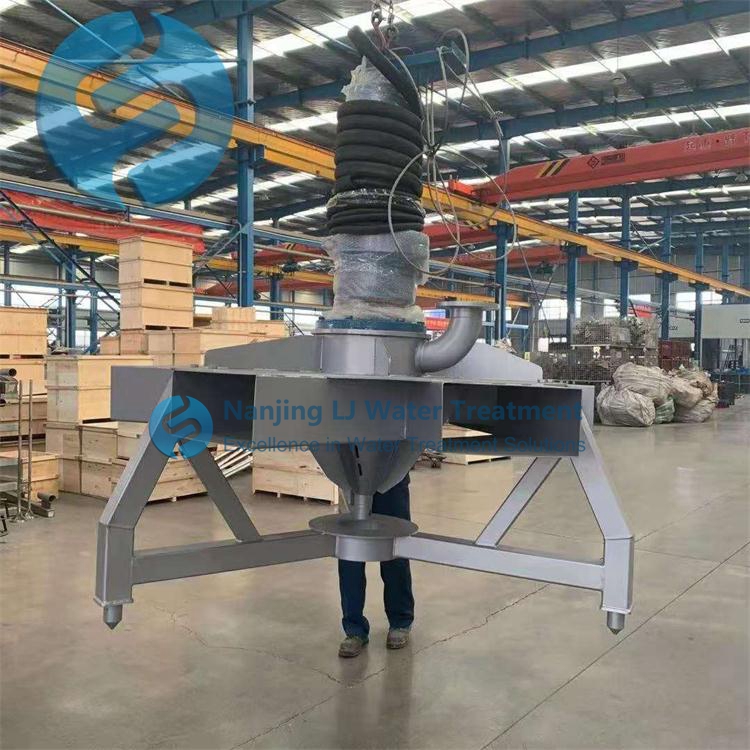
Core functional principles in shrimp tank aeration mixer design
Every well-designed aeration mixer relies on two interconnected physical processes to deliver consistent results across large culture volumes. The first process focuses on gas-liquid interface expansion, where moving water is continuously broken into thin sheets and fine droplets that make contact with surrounding air to dissolve oxygen efficiently into the water column. The second process drives directional water flow, pulling oxygen-rich surface water down toward the tank bottom while lifting low-oxygen bottom water back up toward the surface for repeated gas exchange.
This dual-action approach prevents the common problem of stratification, where dense layers of low-oxygen water accumulate near the tank floor and create dead zones that shrimp naturally avoid. As the mixer generates steady circular or linear flow, it also carries suspended solid waste toward designated collection points, preventing organic matter from settling and decomposing in areas that would otherwise release toxic compounds into the culture environment. The most effective configurations balance oxygen transfer rate with flow velocity, ensuring that no section of the tank sits outside a consistent circulation pattern even at maximum stocking densities.
Practical deployment strategies for different shrimp farm layouts
Placement of aeration mixers directly determines how evenly dissolved oxygen spreads across every zone of the tank, and small adjustments to positioning can create measurable improvements in overall system performance. In rectangular raceway-style tanks, arranging units along one long edge to push water in a continuous loop prevents dead corners where waste would otherwise build up unnoticed. In circular tank systems, positioning mixers at offset angles along the outer wall creates a smooth central vortex that guides all suspended waste toward a central drain without generating turbulent currents that stress young shrimp post-larvae.
Operators often map dissolved oxygen levels across multiple tank zones at different times of day to identify gaps in coverage that appear during peak feeding hours or overnight when natural oxygen production from aquatic organisms drops sharply. This measurement-and-adjustment approach lets teams tune mixer runtime and flow direction to match real-time conditions, rather than relying on a fixed operating schedule that wastes energy during periods of high natural oxygen availability. For farms operating multiple connected tanks in a recirculating setup, coordinating mixer output across the entire system prevents oxygen fluctuations that would otherwise travel between linked culture units and disrupt uniform growth rates across batches.
Long-term operational best practices for sustained performance
Regular maintenance routines focused on aeration mixer components prevent gradual performance loss that would otherwise go undetected until shrimp already show visible signs of stress. Operators routinely inspect moving surfaces for fouling buildup that can reduce flow output and cut oxygen transfer efficiency by a significant margin over months of continuous use. They also check alignment and balance to avoid uneven vibration that accelerates wear on supporting structures and creates unnecessary noise disturbance in the culture environment.
Matching mixer operating intensity to daily and seasonal conditions creates far better outcomes than running units at full power around the clock. During the early post-larval growth phase when shrimp are small and total biomass is low, lower flow speeds and reduced aeration output create calmer rearing conditions that support more uniform feeding. As biomass increases through the grow-out phase, gradually ramping up mixer performance ensures dissolved oxygen levels stay well above critical thresholds even during hot weather when water naturally holds far less dissolved gas. These small, consistent adjustments build a more stable culture environment that supports steady shrimp growth, reduces the need for corrective interventions, and extends the working life of every component in the system.
Post time:2026-10-29
