Aeration mixer operation relies on stable mechanical performance to maintain consistent oxygen transfer and mixing efficiency over long service cycles. Uncontrolled vibration is one of the most common hidden issues that accelerates component wear, disrupts process stability, and leads to unexpected downtime if left unaddressed.
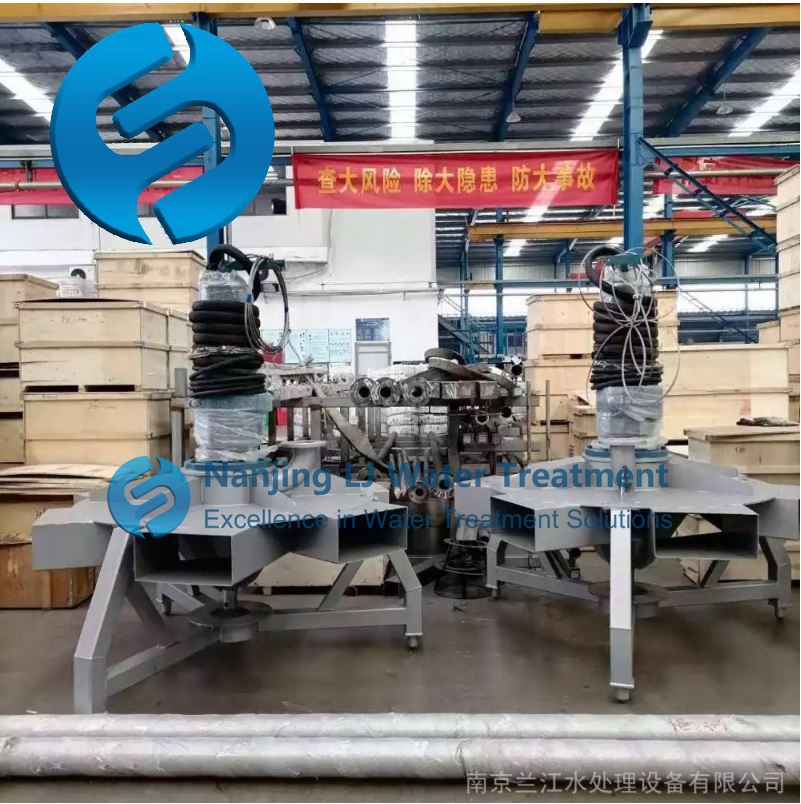
Vibration Root Cause Identification During Daily Operation
Regular visual and sensory checks during running hours help operators catch abnormal vibration patterns before they escalate into larger mechanical failures.
Observe the main drive shaft and impeller assembly for visible wobble that does not align with normal rotational movement
Listen for inconsistent grinding, rattling, or resonant humming sounds that differ from the equipment’s usual steady operating tone
Track vibration intensity changes across different load levels, water depths, and rotational speeds to isolate which operating conditions trigger the most noticeable fluctuations
Precision Vibration Adjustment Procedures
Once abnormal vibration is confirmed, follow structured adjustment steps to restore smooth operation without introducing new mechanical stress.
Inspect the straightness of the main drive shaft with a straightedge tool, and correct minor bending caused by foreign object impact or long-term uneven load
Realign the connection points between motor, gearbox, and shaft to eliminate offset stress that creates resonant vibration during high-speed rotation
Balance the impeller blades by removing uneven accumulated debris or correcting minor uneven wear that creates unbalanced rotational force
Sustained Maintenance Practices for Long-Term Vibration Control
Routine scheduled maintenance prevents recurring vibration issues and extends the reliable service life of all connected system components.
Inspect drive belts and gearbox surfaces regularly for fraying edges, surface cracks, or lubrication degradation that creates uneven power transmission
Check bearing surfaces for rough spots or wear grooves, and refresh lubrication at consistent intervals to reduce friction that contributes to operational shake
Verify seal and coupling integrity during every maintenance window, and replace worn components before they introduce play that disrupts smooth shaft rotation
Targeted Deep Checks After Extended Operation Cycles
After months of continuous running, perform deeper non-intrusive checks to catch hidden vibration triggers that do not appear during standard daily inspections.
Take periodic oil samples from larger gearbox assemblies to check for fine metal particles that signal accelerated gear wear, a common source of late-stage vibration
Measure impeller blade thickness across all contact points to spot uneven erosion that gradually shifts rotational balance over time
Confirm all mounting brackets and base connection points remain securely fastened, as loose anchor points can amplify even minor normal vibration into severe system-wide shake
Post time:2026-09-01
