Choosing the right aeration mixer for aquaculture directly impacts long-term pond performance, stocking density, and overall operational stability. Many operators overlook small but critical details during selection, which later lead to uneven oxygen distribution, higher energy consumption, or unexpected equipment downtime. This guide walks through practical, field-tested selection points tailored specifically to aquaculture use cases, helping you match system capacity to real pond conditions without unnecessary overinvestment.
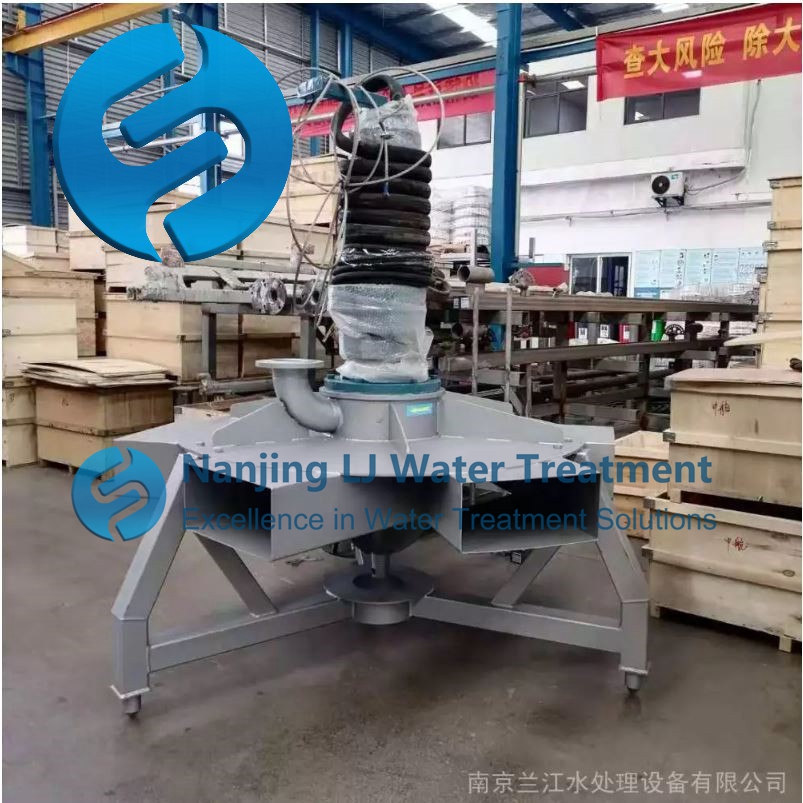
Start with your actual pond depth and layout
Before reviewing any technical specifications, map out the physical conditions of the water body where the equipment will run. Shallow ponds with uniform bottom contours have very different aeration requirements than deep, irregularly shaped ponds with hidden dead zones where organic waste accumulates over time.
Measure water depth at multiple points across the entire area instead of relying on a single average reading. A system designed for 1.5-meter depth will not deliver the same mixing effect when installed in a 3-meter section of the same pond.
Note down locations of inlet pipes, drain outlets, and frequently accessed feeding zones. These areas often need targeted mixing to prevent sediment buildup and ensure dissolved oxygen reaches every spot where fish or shrimp are most active.
Match aeration intensity to your stocking and feeding patterns
Aeration intensity is not a one-size-fits-all number. Low-density extensive culture systems only need gentle continuous mixing, while high-intensity intensive ponds demand consistent, high-efficiency oxygen transfer that keeps up with heavy feeding loads.
For low-density ponds with minimal supplemental feeding, prioritize systems that maintain stable baseline dissolved oxygen levels without unnecessary power draw. This avoids over-aerating sections of the pond and wasting energy on areas that do not need extra air flow.
For high-density culture with daily heavy feeding, select units that can handle peak oxygen demand during early morning and late afternoon hours, when biological oxygen consumption from plankton and aquatic animals reaches its highest point. The system should also support uniform mixing that prevents thermal stratification from trapping low-oxygen water near the pond bottom.
Evaluate material durability against local water conditions
Water quality in aquaculture changes significantly across seasons, with fluctuations in salinity, pH, and organic load that all put long-term stress on submerged equipment. A mixer built with unsuitable materials will degrade much faster, leading to unexpected maintenance work and unplanned downtime during critical production cycles.
For freshwater ponds with moderate organic content, focus on materials that resist biofouling and prevent small solid particles from clogging internal flow paths. This keeps the mixing performance consistent even after months of continuous operation without frequent disassembly for cleaning.
For brackish or high-salinity culture environments, prioritize construction that resists long-term corrosion from dissolved mineral content. This prevents premature component failure that would force you to replace parts far earlier than the expected service life.
Check installation flexibility for new builds and retrofits
Many operators select an aeration mixer without considering how it will integrate into their existing pond infrastructure. This can lead to unnecessary civil work, complicated mounting, or limited access for routine inspection and maintenance.
If you are setting up a completely new pond system, you can plan the layout to support even air distribution across the entire water surface. This ensures no corner of the pond is left with poor circulation or low dissolved oxygen that harms stock health.
If you are retrofitting an existing pond that was not originally designed for high-performance aeration, choose configurations that do not require major structural changes. Units that can be installed without draining the entire pond save significant time and labor, while still delivering improved mixing performance over older systems.
Align long-term energy use with operational budget
Energy cost makes up a large portion of ongoing aquaculture operational expenses, and aeration systems often represent the single largest continuous power draw on a farm. Selecting for short-term upfront savings without considering long-term efficiency usually leads to much higher total operating costs over several production cycles.
Compare oxygen transfer efficiency under real working conditions, not just ideal laboratory numbers. A unit that delivers more dissolved oxygen per unit of power will reduce monthly energy bills while maintaining the water quality levels your stock requires.
Leave reasonable operational margin in your final selection. A system that runs consistently at 80 percent of its maximum capacity will handle unexpected spikes in oxygen demand much better than one that operates at full load every single hour of the day. This also extends equipment service life and reduces the risk of sudden failure right when you need reliable performance the most.
Post time:2026-09-22
