In modern aquaculture, maintaining a fully activated water body is one of the most impactful steps to support robust aquatic organism growth, reduce disease risk, and maximize production potential. Stagnant, under-activated water often hides layers of low dissolved oxygen, accumulated organic waste, and unbalanced microbial communities that quietly erode farm performance over time. Aeration mixers work as a core functional tool to drive continuous water activation, turning static pond environments into dynamic, self-sustaining systems that align with the natural needs of farmed species.
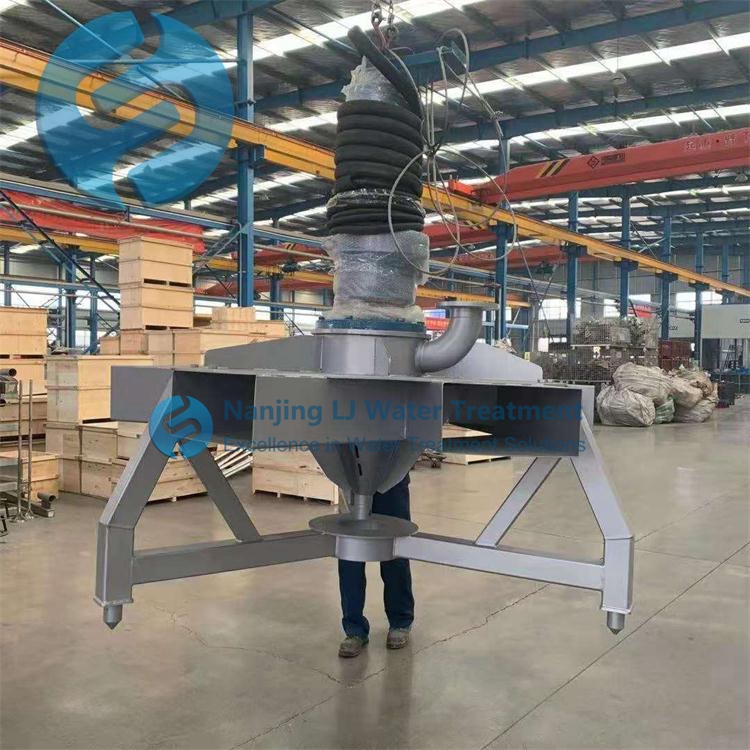
Core Mechanisms of Water Activation Driven by Aeration Mixers
Water activation relies on far more than simply adding oxygen to the top layer of a pond. It requires breaking down physical barriers that separate different water layers, promoting full vertical and horizontal exchange across the entire water column, and creating conditions that support natural biochemical processing.
Aeration mixers pull low-oxygen, waste-rich water from the deeper sections of the pond and push it upward to make direct contact with fresh air at the surface. This movement does not just add new oxygen to the water, it also releases trapped harmful gases like hydrogen sulfide, excess carbon dioxide, and volatile ammonia that build up in stagnant bottom zones. As the newly oxygenated water circulates back down through the full depth of the pond, it carries fresh dissolved oxygen to every corner, even in areas that never get direct contact with surface air.
This continuous movement also prevents thermal and salinity stratification that often forms in ponds after periods of hot weather or heavy rainfall. When stratification is eliminated, every section of the pond shares consistent water quality parameters, eliminating the hidden dead zones where organic matter decomposes anaerobically and creates toxic conditions that harm fish, shrimp, and other farmed stock.
How Activated Water Transforms Aquaculture Production Outcomes
Farms that maintain fully activated water bodies see consistent, measurable improvements across every stage of the production cycle. Farmed animals show more uniform feeding behavior across the entire pond, rather than clustering near limited high-oxygen zones, which leads to more even growth rates and reduces competition for food resources.
Properly activated water supports a thriving population of beneficial aerobic microbes that naturally break down uneaten feed, fecal matter, and decaying organic debris. These microbes process waste into harmless, nutrient-rich compounds that support a healthy natural food web, rather than letting waste accumulate and trigger dangerous water quality crashes. This natural processing reduces the need for frequent large-volume water exchanges, lowering the risk of introducing external pathogens and reducing the overall stress on farmed stock.
Activated water also creates a far more stable environment for sensitive farmed species during critical growth phases. Shrimp during molting, fish during larval development, and shellfish during filter-feeding stages all benefit from consistent, evenly distributed dissolved oxygen levels and low concentrations of toxic compounds. This stability cuts down on stress-related mortality, reduces the frequency of disease outbreaks, and creates conditions that support higher stocking densities without sacrificing animal health.
Operational Practices to Maximize Water Activation Performance
Design your circulation pattern to cover every section of your pond, making sure no remote corner or deep pocket is left outside the path of continuous water movement. Align flow directions to create gentle, widespread circulation rather than forceful, narrow currents that can stir up excessive settled sediment from the pond bottom in a single spot.
Adjust operation schedules to match the specific needs of your pond at different times of day. Run the system for longer continuous cycles in the early morning hours, when natural dissolved oxygen levels are at their lowest after hours of overnight microbial respiration. On hot, sunny afternoons, shorter periodic runs can prevent thermal stratification from forming before it becomes established.
Regularly inspect intake and output openings to clear any accumulated debris, aquatic vegetation, or tangled waste that could restrict water flow. Even small blockages can reduce circulation coverage, leaving small pockets of stagnant water that slowly degrade overall water quality. Simple, consistent checks keep your activation system running at full efficiency across the entire grow-out period, supporting long-term, sustainable aquaculture performance.
Post time:2026-06-29
