If you run a shrimp farming operation, you already know that stable water conditions are the backbone of healthy, high-yield harvests. Even in well-managed ponds, hidden water stratification can quietly undermine your efforts, creating low-oxygen dead zones at the bottom where waste accumulates and harmful bacteria thrive. Aeration mixers are designed to solve this exact problem, driving consistent water circulation that keeps your entire pond environment balanced for every stage of shrimp growth.
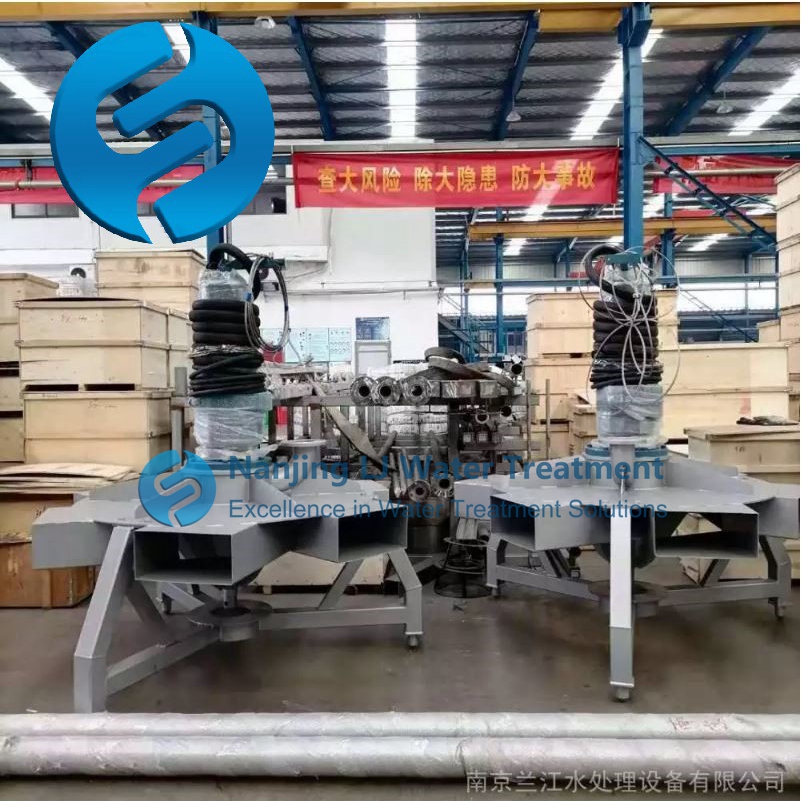
How Aeration Mixers Transform Water Flow in Shrimp Ponds
On a typical sunny day in a shrimp pond, the top 10 to 15 inches of water often holds dissolved oxygen levels as high as 8 to 15 mg/L, while the bottom layers can drop to just 2 to 3 mg/L. This gap comes from small temperature differences of 1 to 2 degrees Celsius between the surface and the pond floor, which creates a natural barrier that stops oxygen-rich surface water from reaching the deeper zones where shrimp spend most of their time.
Aeration mixers break this stratification completely. They generate steady horizontal water movement across the entire pond, which gradually pulls surface water down and pushes low-oxygen bottom water upward to mix with the air at the surface. This continuous flow eliminates the stagnant pockets where uneaten feed, shrimp feces, and organic debris build up, stopping the formation of toxic anaerobic zones before they can trigger disease outbreaks.
For ponds with a depth of 3 meters or more, this circulation effect becomes even more critical. Without proper mixing, deep ponds are far more likely to develop persistent stratification that regular surface aerators cannot fix. Aeration mixers move water evenly across every layer, so no corner of your pond gets left with low oxygen or trapped waste.
Core Benefits of Circulated Water Systems for Shrimp Health
When your pond water stays in constant, gentle motion, you will notice immediate improvements in shrimp behavior and growth. Shrimp become more active across all areas of the pond instead of clustering near aerators to access oxygen, which reduces overcrowding and lowers the risk of stress-related illnesses.
Consistent circulation also supports the growth of beneficial aerobic bacteria that break down organic waste naturally. These bacteria thrive in high-oxygen conditions, turning accumulated debris into harmless nutrients instead of letting it decompose into toxic ammonia or nitrite. This natural processing cuts down on the need for frequent water changes, reducing the risk of introducing external pathogens that often come with new source water.
Stable water flow also keeps bottom sand and substrate in better condition for shrimp burrowing and resting. Instead of waste settling in thick, smelly piles in low-current areas, small particles stay suspended long enough to be filtered out through your waste collection setup. This creates a cleaner, more comfortable habitat that supports faster molting and more uniform growth across your entire shrimp population.
Practical Setup Tips for Long-Term Operation
Position your aeration mixers to create a gentle, circular flow pattern across the full area of your pond. Avoid pointing outlets directly at pond embankments, as strong direct currents can erode the sides over time and push sediment into uneven piles in the center of the pond. The goal is steady, widespread movement rather than forceful, localized turbulence.
Pair your mixers with fine bubble diffusion systems installed along the pond bottom for even better performance. The continuous water movement from the mixers extends the residence time of tiny bubbles in the water, boosting overall oxygen transfer efficiency far beyond what either system can achieve on its own. This combination keeps dissolved oxygen levels consistent from the surface all the way to the pond floor, never dropping below the safe threshold for shrimp.
Check your mixers on a regular schedule to clear any debris that gets tangled around moving parts, especially after heavy feeding cycles or heavy rain events. Simple routine maintenance keeps the flow pattern consistent, prevents unexpected downtime, and ensures your system runs reliably through the full length of your shrimp grow-out cycle. Over time, this consistent operation creates a stable, low-stress environment that supports more predictable harvests and reduces the daily management burden for your farm team.
Post time:2026-06-29
