Proper nutrient mixing is one of the most overlooked yet critical factors in running a stable, high-yield aquaponics system. Without consistent distribution of dissolved nutrients and oxygen across the entire water column, even carefully balanced feeding schedules can lead to uneven plant growth, stagnant pockets, and stressed aquatic life. Many new operators assume water movement from basic water pumps is enough, but nutrient-heavy aquaponics solutions often settle into layers, leaving root zones starved of key elements while surface areas become overconcentrated.
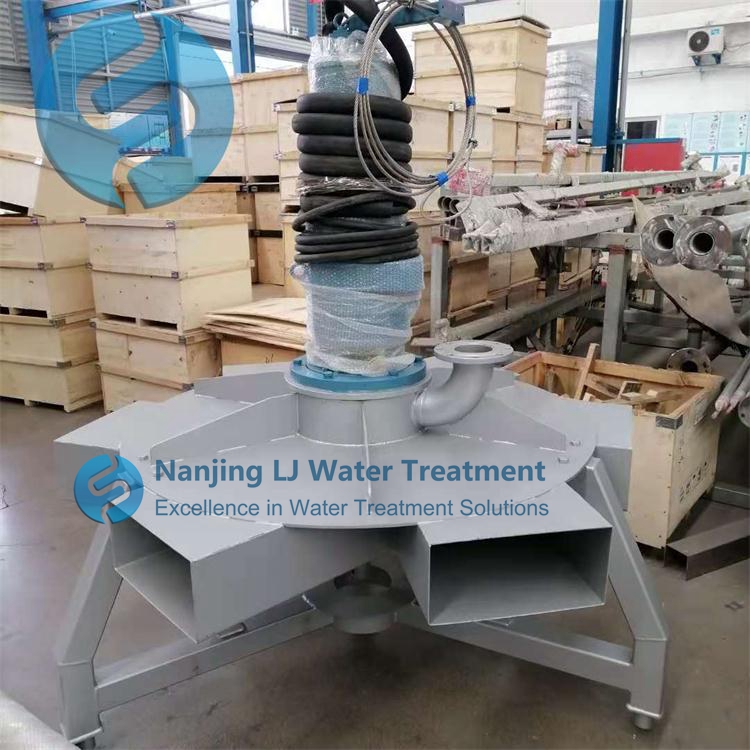
Dual functionality for nutrient circulation and oxygen infusion
Aeration mixers work by combining two essential processes in a single continuous motion: they pull stratified water from different depths and agitate it to break up settled nutrient layers, while simultaneously introducing fine air bubbles that bind oxygen molecules directly into the solution. This dual action eliminates the need to rely on separate airstones, standalone air pumps, and additional circulation pumps that can create overlapping, inefficient flow patterns. As water moves in steady, directional currents instead of random small streams, every section of the grow bed, root zone, and fish tank receives the same consistent mix of nutrients and dissolved oxygen. Over time, this prevents the buildup of sludge along tank bottoms, stops nutrient stratification that often traps organic waste in low-flow corners, and creates a more uniform environment for both plants and aquatic species to thrive.
Impact on root health and plant nutrient uptake
When nutrients are evenly mixed and paired with consistent dissolved oxygen levels, plant roots no longer have to stretch through oxygen-poor, nutrient-sparse zones to access the elements they need. Healthy, oxygen-rich root systems are far less vulnerable to rot, fungal growth, and the kind of stress that stunts new leaf development. Even delicate, fast-growing leafy greens and heavy-feeding fruiting plants respond quickly to stable conditions, showing more uniform color, faster growth cycles, and fewer signs of nutrient deficiency that commonly appear in poorly circulated systems. Without sudden spikes or drops in nutrient concentration, plants also avoid the shock that can cause leaf burn, dropped blossoms, or premature harvest, extending the productive life of each grow cycle and reducing unnecessary waste.
Adaptation across different aquaponics system sizes and designs
Small backyard hobby systems and large commercial operations alike benefit from the consistent performance of well-calibrated mixing and aeration. In deeper tanks, the directional flow from these units reaches far below the surface to prevent thermal and chemical stratification that often forms in static water, while in shallower media beds, gentle, steady circulation avoids the kind of aggressive turbulence that can dislodge plant roots or disrupt beneficial bacterial colonies. Operators can adjust flow patterns to match the specific layout of their system, directing movement around corners, through long nutrient channels, and across multiple connected tanks without creating dead zones where waste can accumulate. This flexibility makes it easier to scale operations over time, as the same core mixing principles that work for small, beginner setups can be expanded to support larger, more complex recirculating systems that handle higher stocking densities and heavier feeding schedules.
Long-term benefits for system stability and daily maintenance
One of the most noticeable long-term changes after implementing consistent aeration and nutrient mixing is the reduction in routine maintenance work. Operators spend less time manually stirring tank bottoms, flushing out accumulated sludge, and correcting imbalances caused by uneven nutrient distribution. Beneficial bacteria populations that drive the aquaponics nitrogen cycle also become far more stable, since they have constant access to both oxygen and the organic matter they break down, eliminating the frequent swings in water quality that force emergency water testing and partial water changes. Over months of continuous operation, this steady, low-fluctuation environment reduces overall system stress, supports more predictable harvest schedules, and creates a far more forgiving setup for both new and experienced aquaponics practitioners to manage.
Post time:2026-11-03
