Chemical liquid aeration is a core process in many industrial and environmental operations, where the controlled infusion of air directly impacts reaction efficiency, end product quality, and long-term system reliability. Without consistent, well-distributed air contact across the entire volume of a chemical solution, even carefully calibrated formulas can suffer from incomplete reactions, localized concentration imbalances, and extended processing times that drag down overall operational output. Many teams rely on basic bubbling systems that only agitate the surface layer, but these often leave large volumes of liquid untouched, creating stagnant zones that undermine the entire aeration process.
Mechanics of uniform air dispersion in chemical solutions
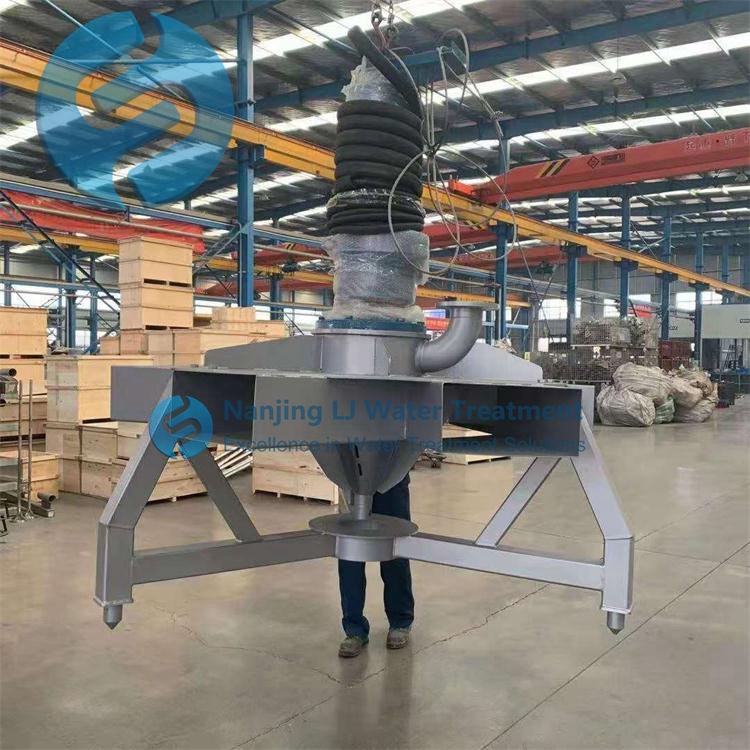
Aeration mixers operate by combining targeted fluid movement with fine air diffusion, pulling liquid from deep within the tank and circulating it through zones where it comes into direct, sustained contact with micro-sized air bubbles. This eliminates the large, fast-rising bubbles that only briefly touch the liquid surface and escape before any meaningful gas transfer can occur. The continuous, directional flow breaks up surface tension barriers that often trap air near the top of high-viscosity or chemically dense liquids, ensuring that every section of the tank, from the bottom floor to the upper surface, receives equal exposure to infused oxygen or process-specific gases. This level of even distribution is especially critical for solutions with suspended solids, varying viscosity, or layered chemical compositions that naturally resist uniform gas integration.
Role in accelerating reaction kinetics and process consistency
When air is evenly distributed throughout the full volume of a chemical liquid, reactive compounds have constant access to the oxygen or other gases required to drive oxidation, biological treatment, or stabilization reactions. This removes the bottleneck that occurs when reactants in low-aeration zones sit unprocessed, forcing operators to extend run times far beyond initial projections to hit target completion rates. Even complex, multi-stage chemical processes see more predictable, repeatable results, with no unexpected spikes in unreacted residual compounds or uneven end-product composition across different batches. Over dozens of consecutive runs, this consistent reaction performance reduces the need for repeated mid-process testing, cuts down on wasted raw materials from incomplete batches, and helps teams reliably meet strict regulatory and quality benchmarks for final output.
Mitigation of common operational risks in chemical aeration work
Poorly executed aeration in chemical liquid systems creates a range of avoidable hazards, from the buildup of volatile, unreacted compounds in stagnant tank pockets to localized over-aeration that generates unwanted foam, spills, or corrosive vapor release. Properly designed mixing and aeration eliminates these risks by keeping the entire liquid volume in steady, controlled motion, preventing sediment and reactive sludge from settling and hardening along tank floors where it can cause long-term corrosion or unexpected chemical buildup. The steady, non-turbulent flow also avoids the kind of violent splashing that can expose operators to hazardous fumes or splashback, while reducing the formation of stable foam that often clogs vent lines, overflows tanks, and disrupts downstream processing equipment. Teams that implement consistent, full-volume aeration rarely face the unplanned shutdowns, emergency cleaning cycles, and safety incidents that plague facilities relying on basic, surface-only bubbling systems.
Compatibility across diverse chemical processing environments
Different categories of chemical liquids place unique demands on aeration systems, from low-viscosity industrial wastewater streams to dense, high-solids slurries used in mining and pharmaceutical production. The directional, customizable flow of aeration mixing units can be adjusted to match the specific properties of almost any solution, from highly corrosive formulations that require gentle, non-abrasive movement to heavy, thick slurries that need strong, sustained agitation to keep solids suspended and exposed to air. This adaptability means operators do not need to reconfigure their entire tank setup every time they shift to processing a new chemical formulation, making it far easier to adjust production schedules, handle seasonal waste volumes, or introduce new process streams without major system overhauls. Over years of operation, this flexibility extends the usable life of existing tank infrastructure, eliminating the need for costly, full-system replacements to meet evolving aeration requirements.
Post time:2026-11-03
