News
-
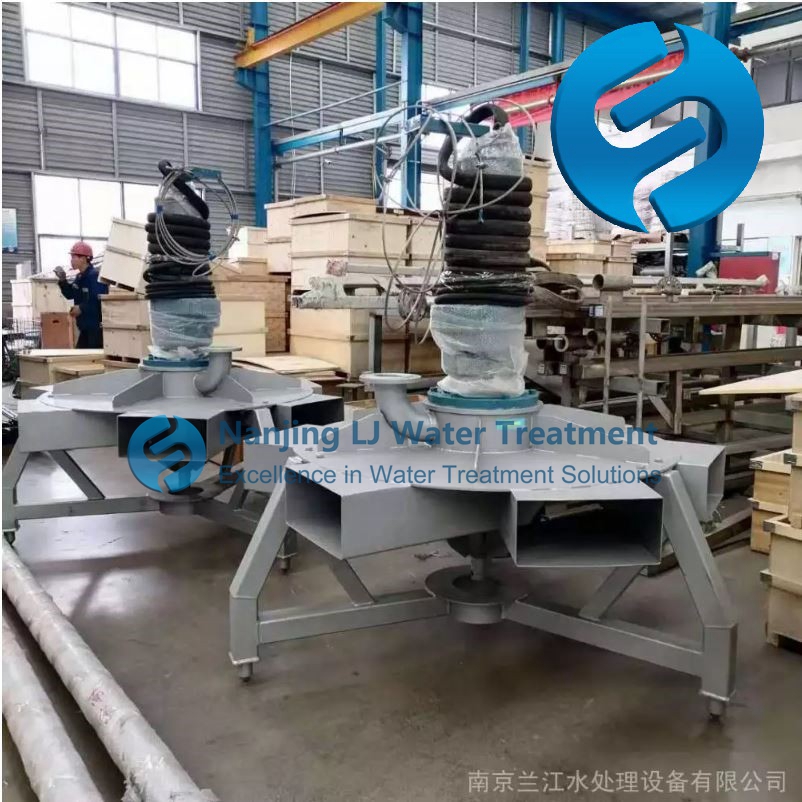
Aeration mixer reduces the stagnant water areas in the water body
Stagnant dead zones in water bodies typically form in areas where natural water movement cannot reach, such as behind physical barriers, in deep depressions, or along sheltered shorelines. Aeration mixing eliminates these zones by creating engineered flow patterns that deliver consistent water exchange to every part of the system, regardless of shape, depth or obstruction.Read more -
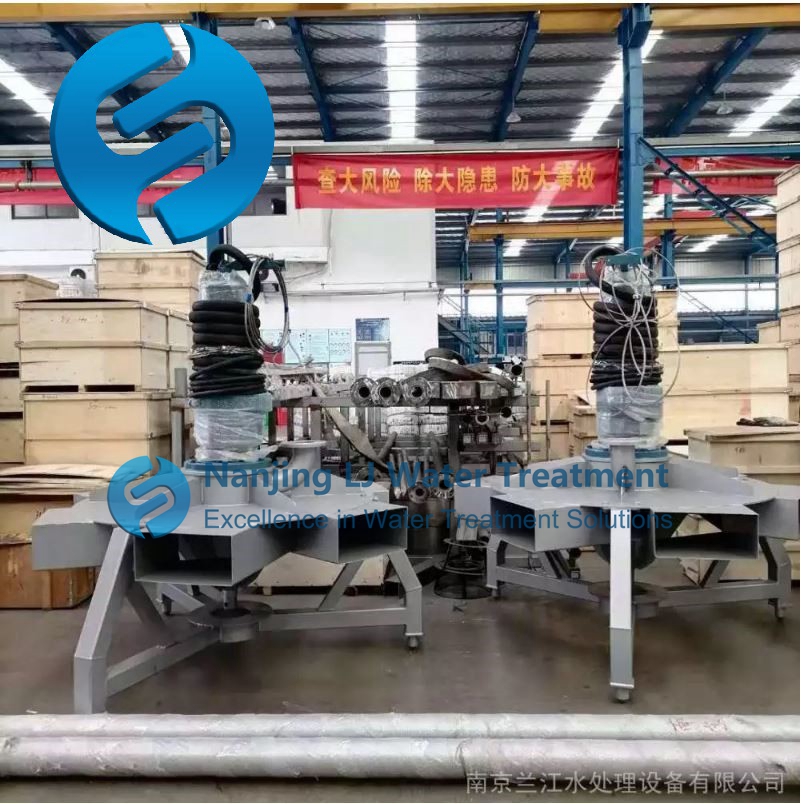
Aeration mixer optimizes the water flow trajectory
Natural water flow in ponds, lakes and reservoirs often follows inefficient paths that leave large areas stagnant while over-circulating others. Aeration mixing reshapes these flow patterns through controlled energy input that guides water movement along trajectories designed for complete coverage and balanced circulation, rather than random, uneven distribution.Read more -
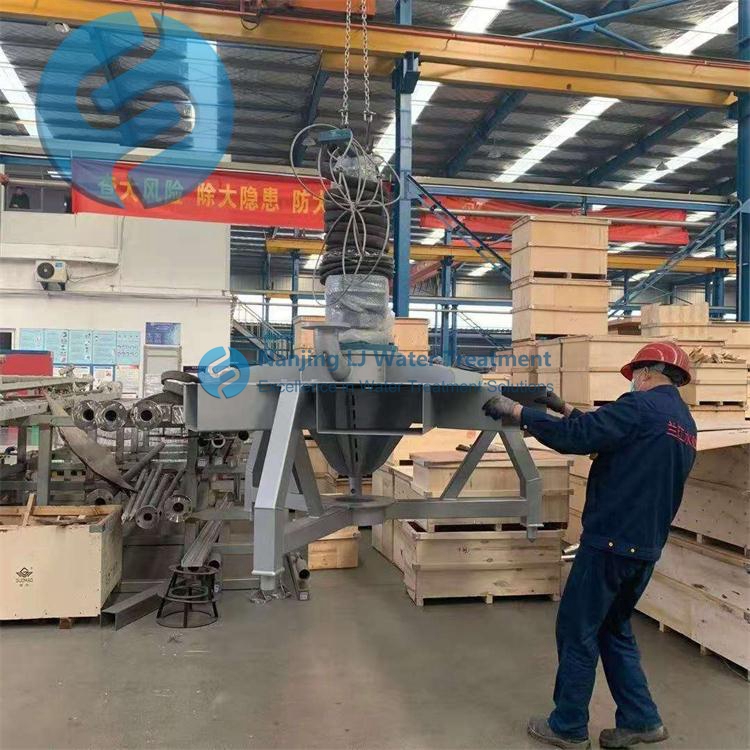
Aeration mixer disperses harmful gases in the water body.
Harmful gases like hydrogen sulfide, methane and ammonia often build up in the stagnant, low-oxygen zones of stratified water bodies, creating toxic conditions that can kill fish and other aquatic life during sudden release events. Aeration mixing tackles this problem through a combination of physical displacement and chemical conversion that removes these gases safely without just pushing them inRead more -
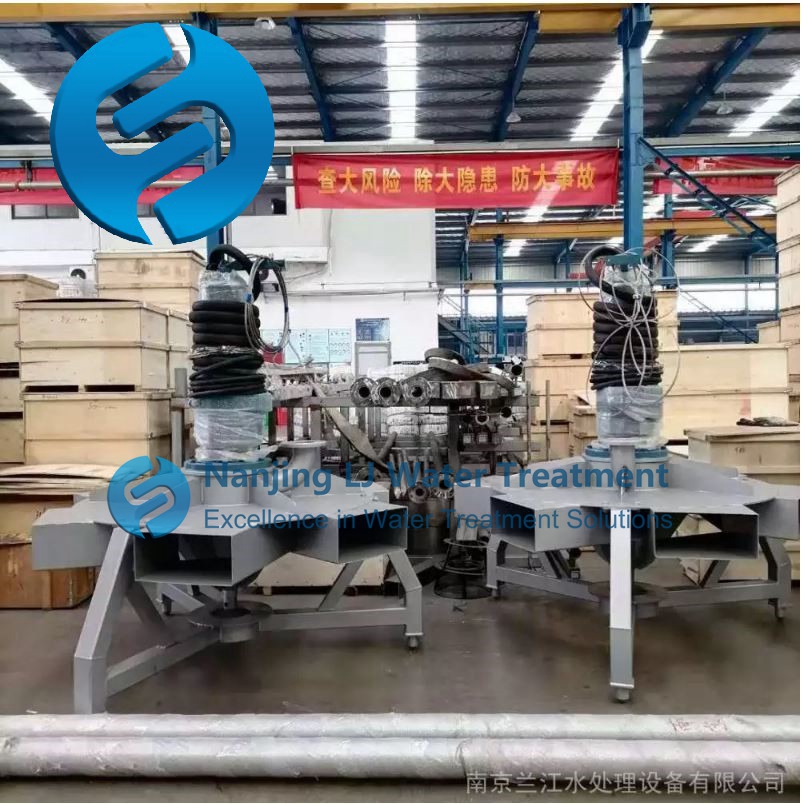
The function of the aeration mixer in maintaining the uniform water temperature of the water body
Sharp temperature differences between surface and bottom water create the stable density layers that drive long-term stratification in many lakes and reservoirs. Aeration mixing works to equalize these temperature extremes through continuous, gentle water movement that transfers heat from warm surface zones down to cold deep areas, smoothing out the vertical temperature profile without creating suRead more -
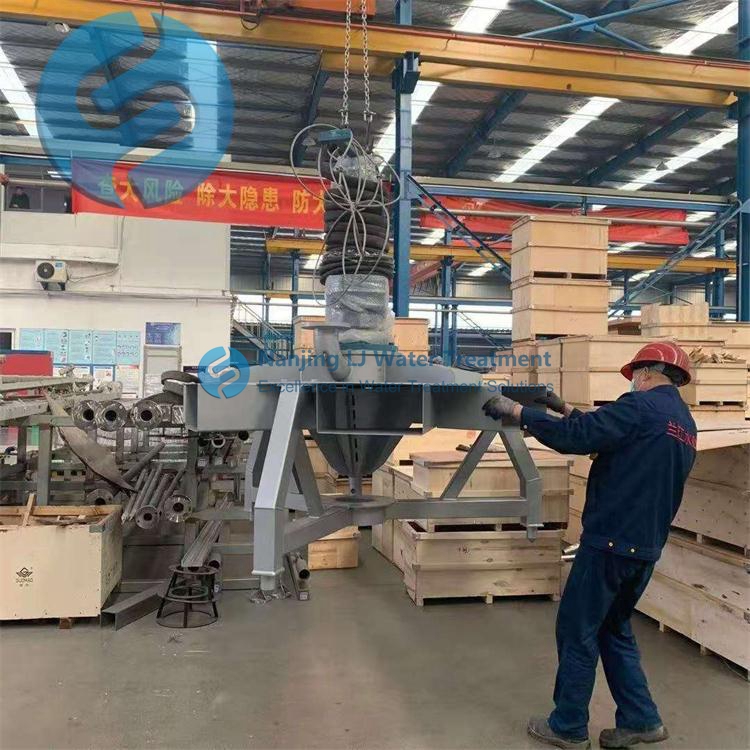
The aeration mixer disperses the accumulated sludge at the bottom of the water.
Accumulated bottom sediment in stagnant water often forms a dense, compacted layer that resists natural breakdown and releases trapped pollutants back into the water column during seasonal turnover. Aeration-driven mixing addresses this through gentle, persistent flow patterns that work on the sediment-water interface without creating massive sediment resuspension that would cloud the entire waterRead more
