News
-
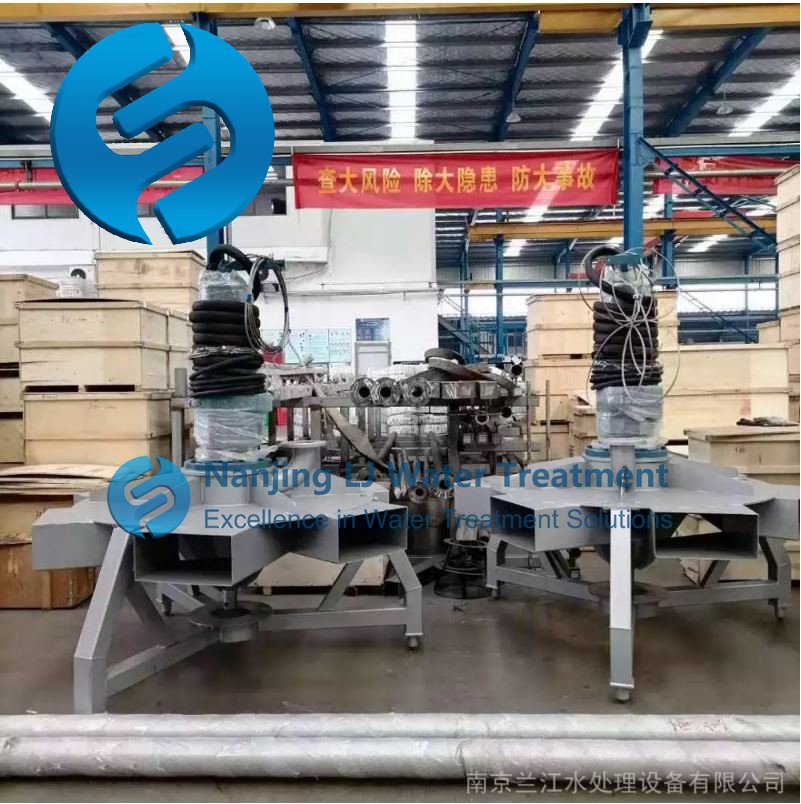
Aeration mixer enhances the self-purification ability of water bodies
Natural water self-purification usually moves at a slow, uneven pace in stratified or stagnant systems, held back by disconnected layers and limited access to key resources for decomposition. Aeration mixing unlocks this natural processing potential by removing the physical barriers that slow down native purification pathways, letting the water body clean itself far more efficiently without relyinRead more -
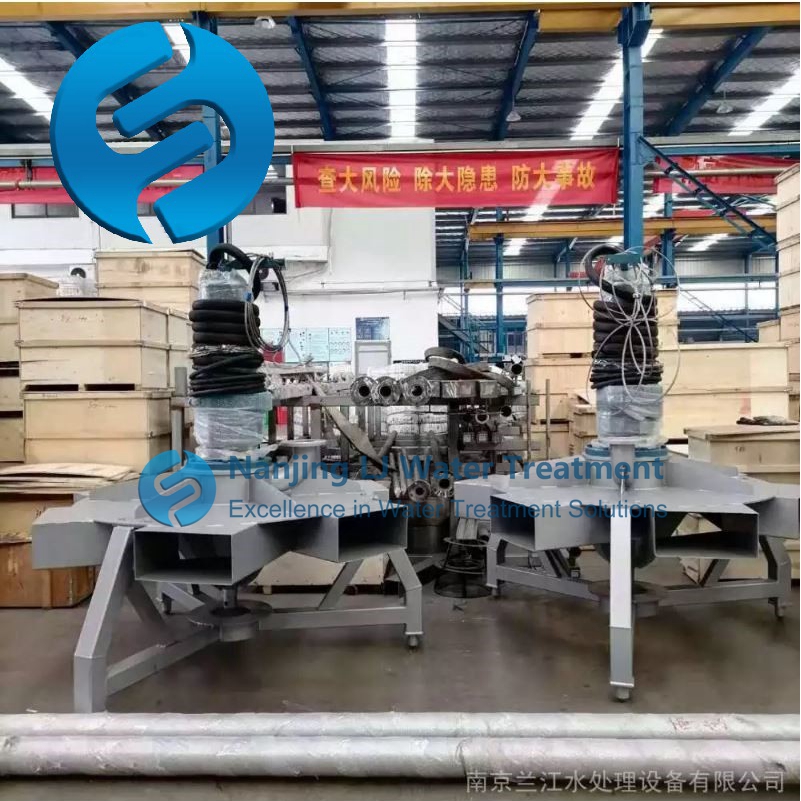
Aeration mixer promotes the reproduction of microorganisms
Microbial communities in stagnant, stratified water often stay limited to narrow, isolated zones where basic survival conditions barely meet their needs. Aeration mixing reshapes the entire water column’s physical and chemical environment to create far more habitable space, supporting steady, balanced microbial growth that aligns with natural aquatic ecosystem rhythms.Read more -
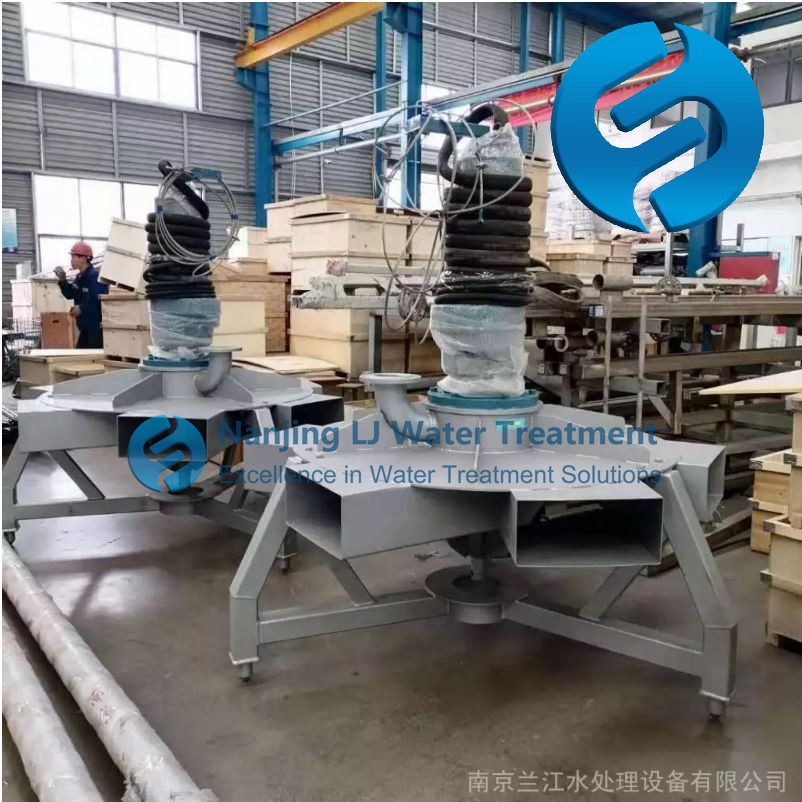
The principle of the aeration mixer in eliminating water stratification
Water stratification forms naturally when density differences driven by temperature and salinity create stable, isolated layers that barely mix for weeks or months at a time. Aeration mixing works through a sequence of gentle, persistent physical effects that break down these density barriers gradually, rather than using violent force to churn the entire water column in one go.Read more -
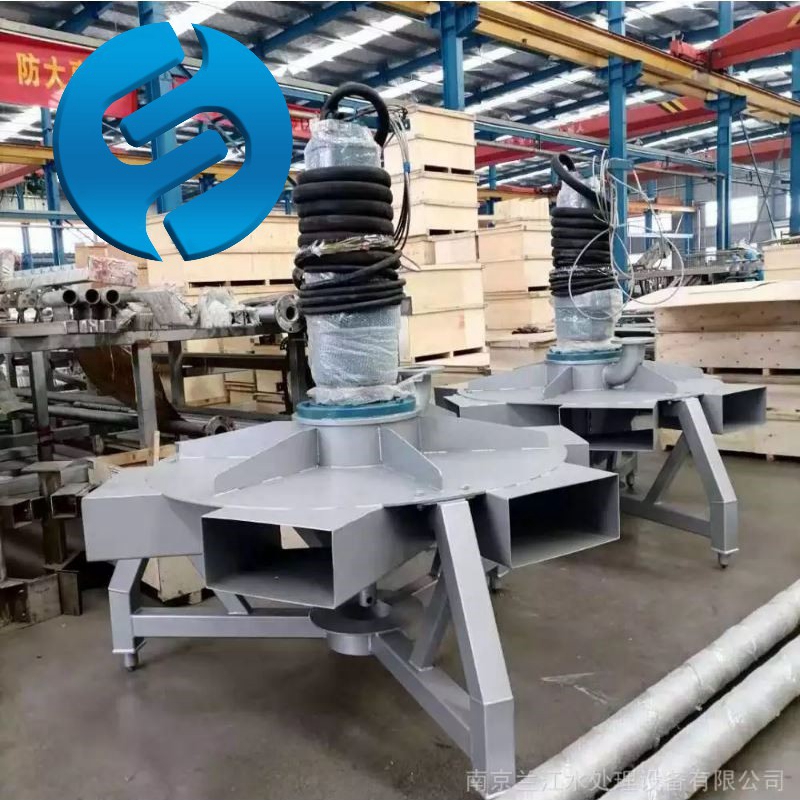
The function of the aeration mixer in preventing the water from smelling bad
Unpleasant odor release in stagnant water bodies almost always traces back to anoxic biological processes that produce volatile sulfur compounds, nitrogen byproducts and decaying organic fragments trapped below the surface. Aeration mixing interrupts these odor-forming pathways at multiple stages, rather than masking existing smells with temporary cover effects, to create long-term suppression ofRead more -
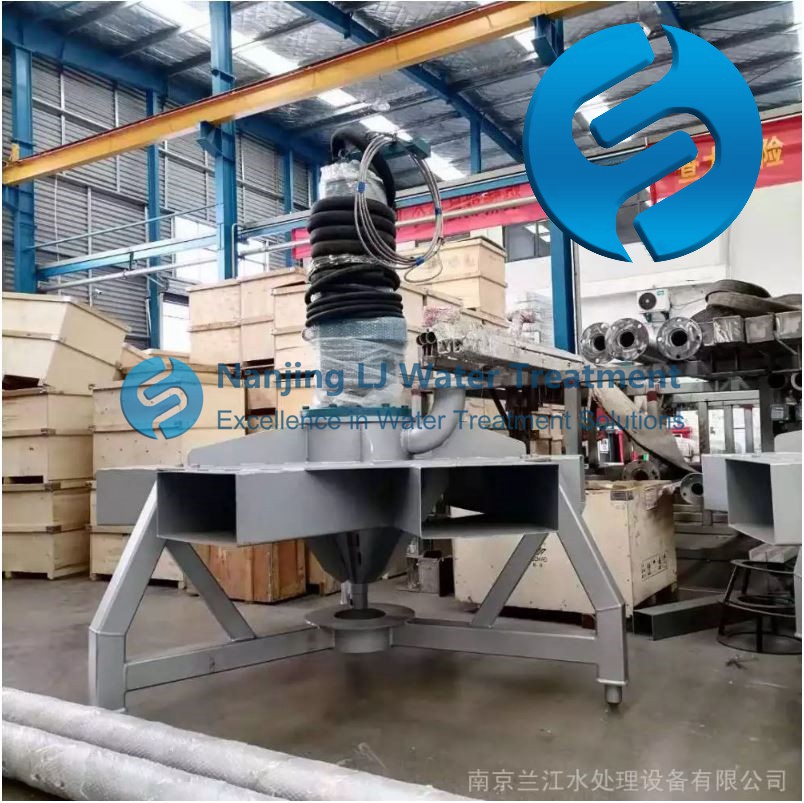
The operating mechanism of the aeration mixer for pollutant degradation
The pollutant degradation process driven by aeration mixing systems unfolds as a layered, multi-step interaction between water flow, microbial activity and environmental conditions in aquatic environments. This mechanism does not rely on single chemical reactions to break down contaminants, but builds a sustained, interconnected system that targets different types of pollutants across multiple zonRead more
