News
-
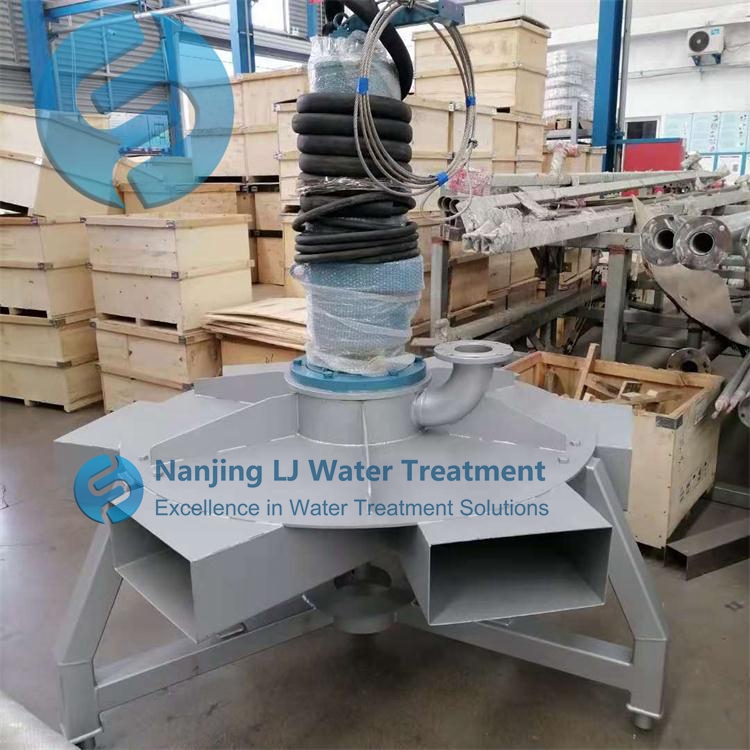
The method by which an aeration mixer increases the dissolved oxygen content in water bodies
Increasing dissolved oxygen levels in water through aeration mixing does not rely on pumping more air into the system, but on improving the efficiency of natural oxygen transfer pathways that are normally limited by poor water movement and sharp density barriers. This approach maximizes the amount of oxygen that actually stays dissolved in the water, rather than letting most of it escape back to tRead more -
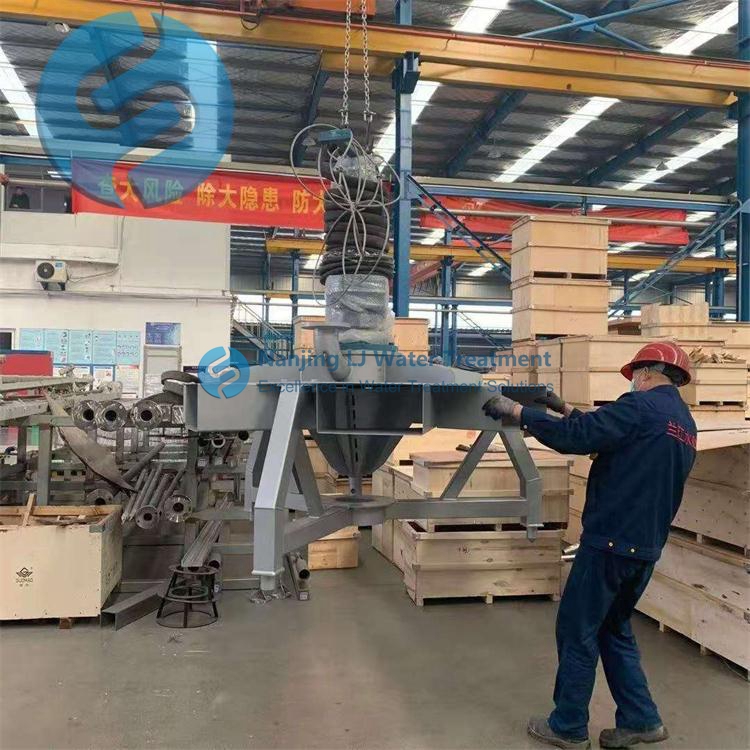
The principle of rapid homogenization of small water bodies by aeration mixer
In small, contained water bodies like ponds, lagoons and compact treatment tanks, rapid uniform mixing relies on creating high-efficiency flow patterns that connect every corner of the water volume in minutes rather than hours. The compact size allows for a complete turnover cycle where every water molecule passes through the mixing zone multiple times in a short period, building consistent waterRead more -
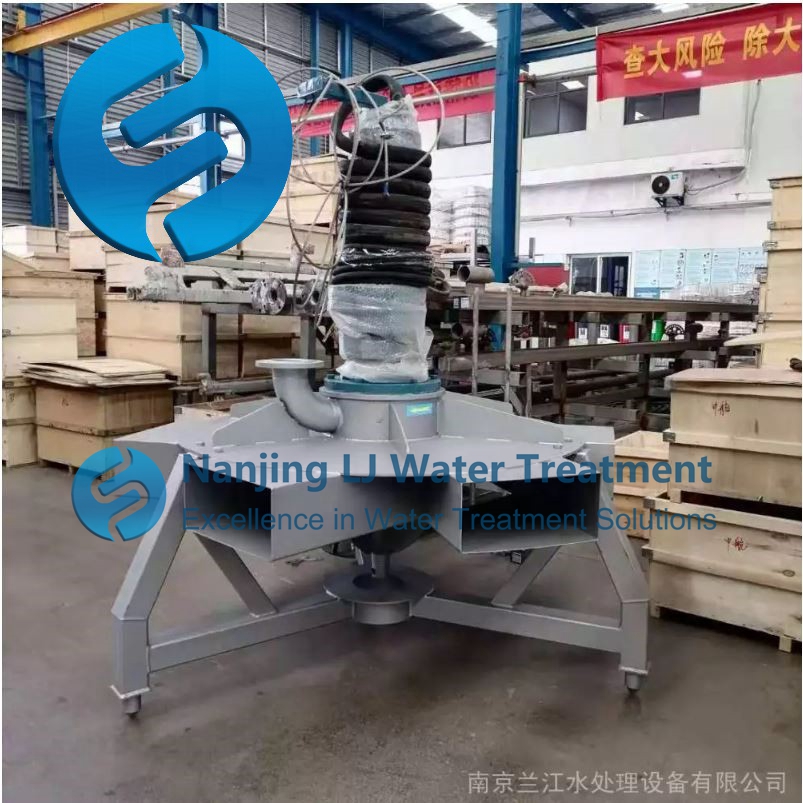
The principle of rapid homogenization of small water bodies by aeration mixer
In small, contained water bodies like ponds, lagoons and compact treatment tanks, rapid uniform mixing relies on creating high-efficiency flow patterns that connect every corner of the water volume in minutes rather than hours. The compact size allows for a complete turnover cycle where every water molecule passes through the mixing zone multiple times in a short period, building consistent waterRead more -
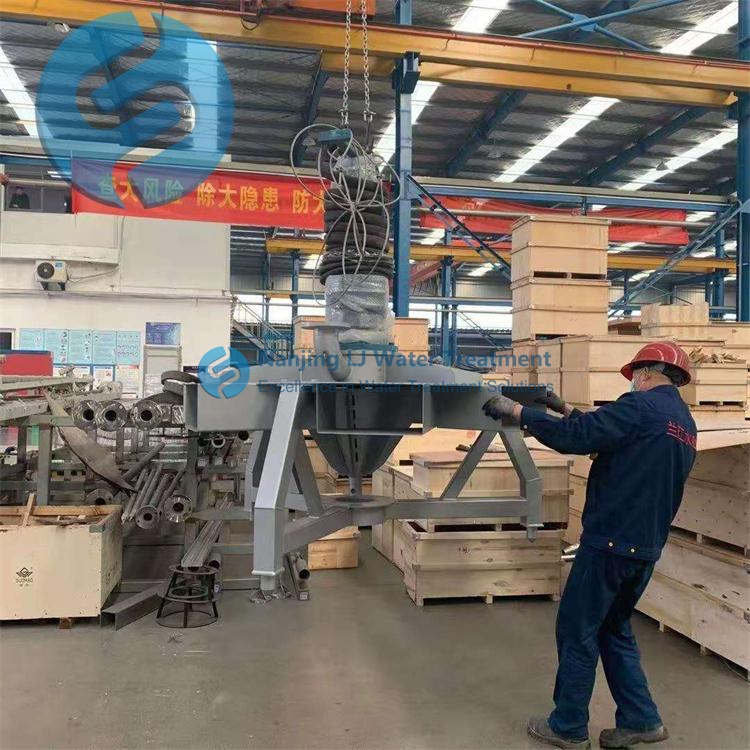
Aeration mixer's disturbance method for large water body of water surface
Large water bodies such as deep lakes, wide reservoirs and slow-flowing river stretches rarely respond well to localized mixing that only disturbs a small fraction of the total volume. Aeration-driven disturbance works through layered, expanding flow patterns that spread gentle movement across the entire water area, avoiding the violent turbulence that would kick up massive amounts of sediment andRead more -
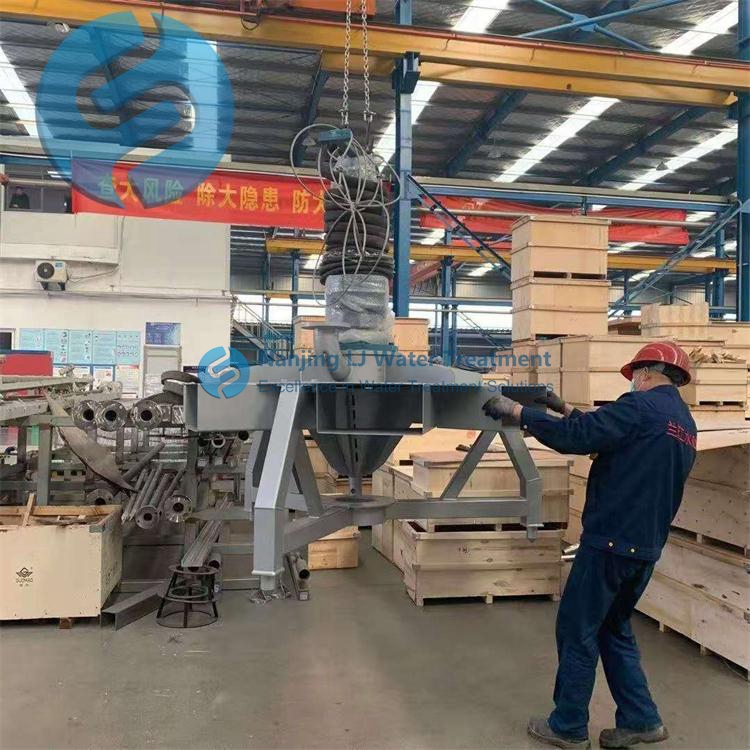
The principle of gas-liquid mixture and fusion in the aeration mixer
Gas-liquid mixing around submerged aeration zones relies on a series of interconnected fluid dynamics effects that break large gas pockets into tiny, evenly distributed bubbles, then keep them suspended long enough for full mass transfer to take place. This process does not force gas into water under extreme pressure, but uses natural flow patterns to create stable, high-efficiency contact betweenRead more
