Aeration mixers have become a core component in modern activated sludge systems, addressing two of the process’s most critical needs: consistent oxygen distribution and uniform hydraulic mixing across every section of the treatment basin. Unlike setups that rely on separate aeration devices and standalone mixers, these integrated units are engineered to perform both functions simultaneously, eliminating the gaps that often leave dead zones, uneven biomass concentration, or pockets of low dissolved oxygen in large or deep tanks. This dual functionality makes them especially well-suited for facilities that need to balance stable biological treatment performance with flexible process operation, whether handling steady municipal wastewater flow or fluctuating loads from industrial discharge.
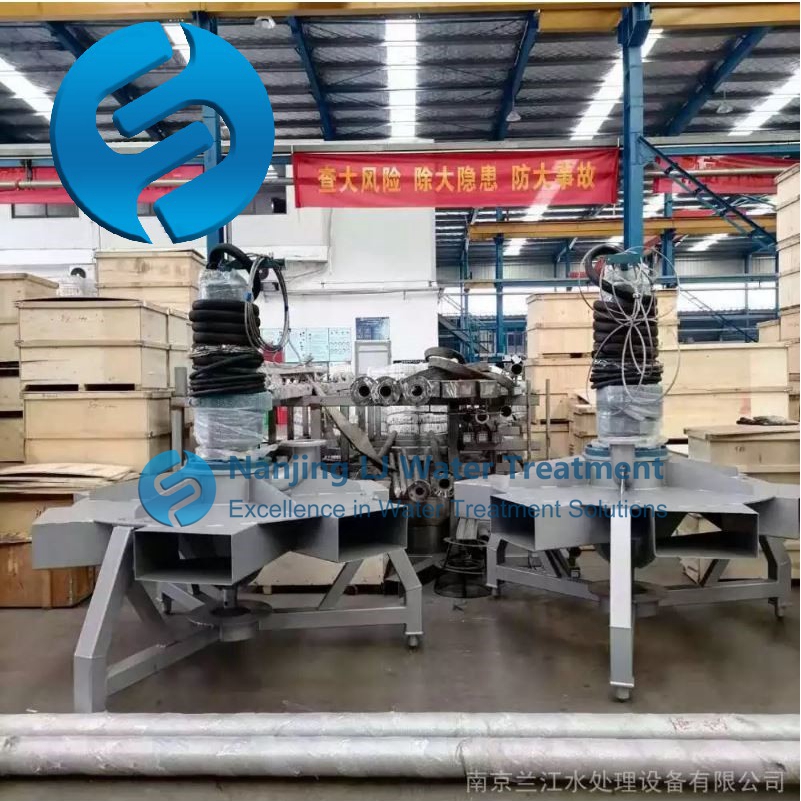
How Aeration Mixers Support Core Activated Sludge Operations
Proper mixing is not just a secondary function in the activated sludge process, but a foundational requirement that directly impacts every stage of biological treatment. When an aeration mixer is running, it continuously circulates mixed liquor from the tank floor all the way to the surface, preventing activated sludge flocs from settling at the bottom and ensuring that every microorganism in the system has equal access to dissolved oxygen, organic substrates, and nutrients. This full-tank circulation also prevents stratification, a common issue where layers of different temperature, pH, or biomass density form and disrupt the consistency of treatment performance over time.
In processes that alternate between aerobic, anoxic, and anaerobic phases, the ability of aeration mixers to operate in mixing-only mode, with no active oxygen injection, adds another layer of operational flexibility. This allows facilities to support nitrification and denitrification cycles within the same basin without installing additional separate mixing equipment, reducing the complexity of process transitions and avoiding costly modifications to existing tank structures. For sequencing batch reactors, membrane bioreactors, and moving bed biofilm reactor systems, this seamless shift between aeration and non-aeration mixing helps maintain uniform conditions even during the most dynamic stages of the treatment cycle.
Key Design Principles That Improve Long-Term Process Reliability
The most effective aeration mixer configurations for activated sludge systems are built around non-clogging hydraulic designs that minimize contact between rotating components and heavy, fibrous sludge particles. This reduces the risk of unexpected downtime that can happen when rags, sludge debris, or solid waste wrap around impellers or block air distribution paths. Many of these units are engineered to operate reliably even in deep tank environments, removing the need for additional air cooling systems that were once required to prevent overheating in older submerged equipment.
Easy access for inspection and maintenance is another critical design factor that supports long-term operational stability. Units that can be lifted from the tank or adjusted without requiring full basin dewatering allow plant teams to perform routine checks, minor repairs, or process reconfigurations far more efficiently. This is a major advantage for facilities operating on tight schedules, where taking a basin completely offline for days of draining and equipment service would create unacceptable backlogs in wastewater treatment capacity.
Energy Efficiency and Process Control Benefits for Modern Facilities
One of the most measurable advantages of integrating aeration and mixing in a single system is the reduction in unnecessary energy waste that comes from running separate, oversized devices to compensate for poor coverage. Well-designed aeration mixers deliver high standard oxygen transfer rates and high standard aeration efficiency values, meaning more of the energy consumed goes directly into dissolving oxygen into the mixed liquor rather than escaping unused to the atmosphere. The even distribution of fine bubbles across the entire tank volume maximizes gas residence time and minimizes bubble coalescence, further boosting the overall efficiency of oxygen transfer to the biomass.
These systems also respond rapidly to changes in dissolved oxygen demand, which is essential for handling the variable loading conditions that most municipal and industrial wastewater plants face on a daily basis. When organic load spikes after a heavy rain event or during peak industrial discharge hours, the aeration mixer can adjust oxygen delivery and mixing intensity to match the new requirement within minutes, preventing sludge settling, poor sludge settleability, excessive foaming, or incomplete treatment that can lead to permit compliance issues. Over longer operational periods, this level of precise control supports lower sludge yield, more consistent effluent quality, and the ability to meet strict nutrient removal targets without unnecessary over-aeration.
Post time:2026-10-27
