Daily inspection and maintenance of an aeration mixer plays a key role in extending equipment service life and keeping stable operation in water treatment and aeration processes. Regular, targeted care can effectively avoid unexpected downtime and reduce unnecessary operation risks in long-term use.
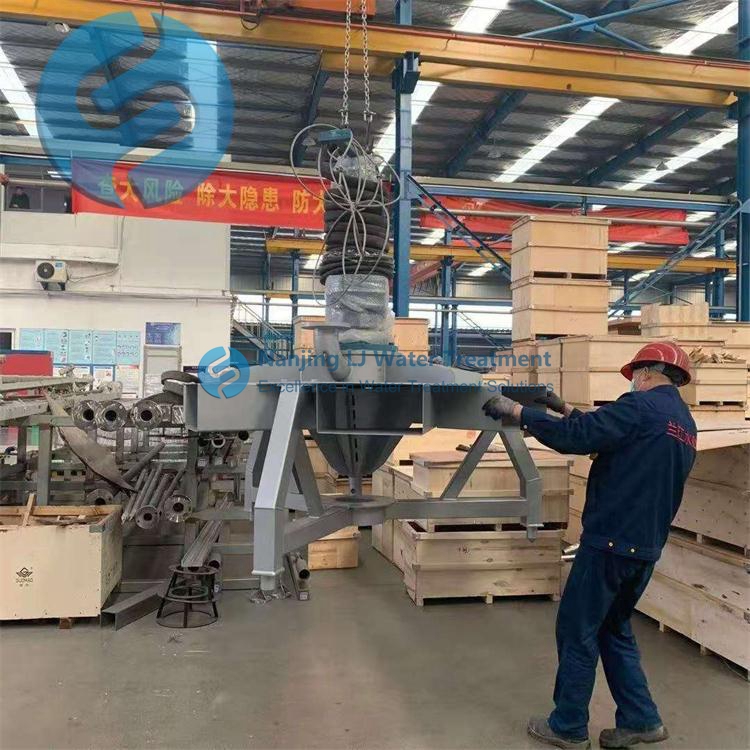
Core Daily Inspection Steps
Check the main assembly of the aeration mixer at the start of each shift. Look for any visible signs of damage, cracks or abnormal wear on the mixer body, mixing chamber and connected structural parts. Run a short test operation to observe if there are unusual noises, sharp vibrations or unexpected liquid leaks around the connection positions. Confirm all exposed fasteners stay in place without loosening that may affect normal operation.
Cleaning and Component Care
Thoroughly clean all contact parts that touch water and mixed media after each operation cycle. Remove accumulated sludge, residual impurities and scaling from the mixing bowl, mixing arm and auxiliary connecting parts. Wipe the outer surface of the whole equipment to clear dust and splashed dirt that may corrode the shell. Pay special attention to small gaps and hidden corners where dirt easily builds up, to prevent long-term accumulation from blocking normal flow paths.
Lubrication and Sealing Checks
Apply appropriate lubricant to all moving parts strictly following the standard operation requirements. Focus on lubrication points on the rotating shaft, transmission connection positions and movable joints to reduce friction loss during high-frequency operation. Inspect all sealing elements including gaskets and sealing strips to confirm no deformation, aging or gap that may cause medium leakage. Make sure no excess lubricant drips into the mixing area and affects the normal aeration and mixing effect.
Weekly Supplementary Maintenance Tasks
Carry out a full visual check for all bearings, shaft couplings and exposed transmission parts every seven days. Rotate the main shaft manually to feel if there is any rough or stuck spot that indicates hidden wear. Check the tension state of transmission chains or belts to keep it within the reasonable range specified in operation guidelines. Clear dust and sundries around the ventilation and heat dissipation holes to guarantee the equipment can dissipate heat smoothly during continuous operation.
Regular Electrical and System Inspection
Check all connected wiring, control instruments and power connection parts on a routine basis. Confirm no exposed wires, loose terminals or abnormal heating phenomena on the electrical connection positions. Test the accuracy of related operation indicators on the control panel to make sure real-time operation data can be displayed correctly. Clean the dust on the surface of electrical components to avoid potential safety hazards caused by poor heat dissipation.
Long-term Periodic Care Points
Inspect all exposed hoses and pipeline connectors every 90 days to confirm no aging, cracking or abnormal deformation. Check the tightness of all main connection bolts on the base and rotating support structure to keep the equipment in a stable installation state. Replace the return filter element as required to guarantee the smooth circulation of the system. Check the operation state of the reduction gearbox and add or replace lubricating oil according to the actual wear condition.
All inspection and maintenance actions need to be recorded in detail after completion. Any non-conformance or abnormal phenomenon found during the check should be handled in time before the next start-up operation. This set of routine care procedures can help the aeration mixer maintain reliable working performance in long-term continuous operation.
Post time:2026-08-14
