Aeration Mixer Lubrication Points Guide for Long-Term Reliable Operation
Proper lubrication directly extends service life, cuts unexpected downtime, and keeps mixing performance consistent across bioreactor, aquaculture, and water circulation operations. Skipping or misapplying lubrication at key points leads to unnecessary wear, noisy operation, and premature component failure that could have been avoided with routine targeted care.
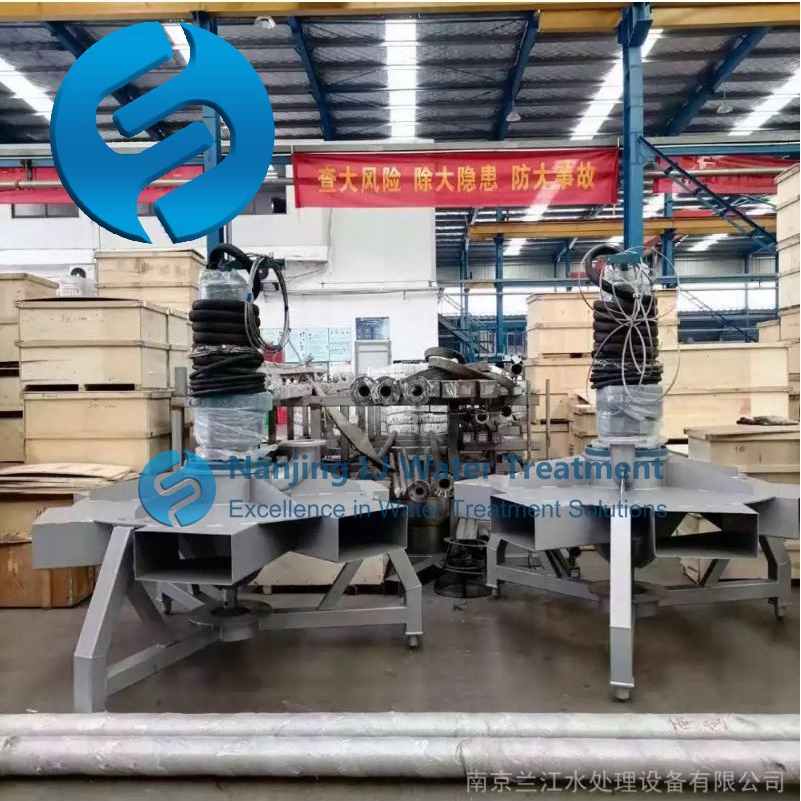
Lubrication Points on the Air Motor Drive Section
The air motor drive assembly contains multiple friction surfaces that rely on continuous, controlled lubrication to operate smoothly. The filter-regulator-lubricator unit installed along the incoming airline feeds a fine mist of lubricant directly into the air stream before it reaches the motor internal vanes. You need to check the lubricator bowl level at the start of every shift, confirm the oil feed rate delivers a consistent mist without over-saturating the air line, and drain accumulated water from the filter bowl to prevent moisture from reaching the motor bearings.
At the drive coupling that connects the motor shaft to the mixer shaft, inspect the connection points every two weeks for dried-out grease, and apply a thin layer of high-temperature compatible lubricant to the contact surfaces between coupling halves. This prevents metal-to-metal friction that can create vibration, shaft misalignment, and uneven power transfer during continuous mixing cycles.
Bearing and Shaft Seal Lubrication Locations
The main upper and lower support bearings that hold the mixer shaft in place under continuous rotational load need scheduled grease replenishment matched to operating hours. For mixers running 24 hours a day in high-density aquaculture or bioreactor environments, access each bearing grease fitting and apply fresh lubricant before the old grease dries out and allows metal contact between rolling elements and races.
Do not overfill the bearing housing, as excess grease will churn under high speed, generate unnecessary heat, and cause lubricant leakage past the shaft seals. When you add new grease, rotate the mixer shaft slowly by hand to distribute the lubricant evenly across all contact surfaces, and wipe away any excess that squeezes out of the housing to stop dust, moisture, or organic debris from sticking to the wet surface.
The shaft seal area near the tank opening requires a very light coating of food-grade or water-resistant lubricant on the seal contact face. This prevents the seal material from sticking to the shaft during start-stop cycles, reduces seal wear from constant rotation, and stops process water or suspended solids from working their way into the bearing cavity. Check this point monthly, and never apply so much lubricant that excess runs down the shaft and contaminates the process water in the tank.
Chain and Sprocket Lubrication for Driven Mixer Configurations
Many aeration mixer designs use exposed chain and sprocket drives to transfer power from the motor to the impeller shaft, especially in larger aquaculture pond and municipal water circulation systems. Before applying new lubricant, first clean accumulated dirt, dried grease, and organic residue from the chain links and sprocket teeth. Abrasive debris trapped in old lubricant acts like an abrasive compound that accelerates tooth wear and stretches chain pitch far faster than normal operation.
For systems fitted with automatic chain oilers, check the reservoir level weekly and confirm the oil drip nozzle or brush sits directly above the chain roller surface to deliver consistent coverage. For mixers that use a partial oil bath for chain lubrication, inspect the oil level monthly and check for signs of water, feed waste, or biological contamination inside the bath. If the oil appears cloudy, foamy, or discolored, drain the old fluid, clean the housing thoroughly, and refill with fresh lubricant to prevent chain corrosion and premature failure.
Inspect sprocket alignment every time you service the chain, as misaligned sprockets cause uneven chain wear that makes lubrication far less effective. Adjust the chain tensioner to the manufacturer specified slack, so lubricant can fully penetrate the pin and bushing gaps inside each link instead of being squeezed out under excessive tension.
Additional Lubrication Best Practices for Field and Continuous Use
Always shut off and lock out the air or power supply, release all stored line pressure, and disconnect the unit from its energy source before you begin any lubrication service. This eliminates accidental startup risk while you work on moving components.
Select lubricant viscosity matched to your operating environment. For outdoor shrimp and fish farm installations in hot climates, choose a lubricant that maintains stable viscosity at high ambient temperatures. For cold water bioreactor operations in unheated facilities, use a lower-viscosity formulation that flows freely at low temperatures to prevent hard starting and dry friction during initial startup.
Keep a simple log of every lubrication service, noting which points were serviced, what type of lubricant was used, and the operating hours on the unit at time of service. This helps you spot patterns of higher-than-normal lubricant consumption that can warn you of developing wear issues before they turn into unexpected mid-operation breakdowns.
Post time:2026-11-18
