Exterior Design Features of River Aeration Mixers
River aeration mixers are widely used in river restoration projects, ecological water treatment systems, urban landscape waterways, and environmental remediation programs. Because river environments involve changing water levels, floating debris, and continuous flow conditions, the exterior design of these aeration systems plays a major role in operational stability and treatment efficiency. A well-optimized structure can improve oxygen transfer performance while supporting long-term outdoor operation.
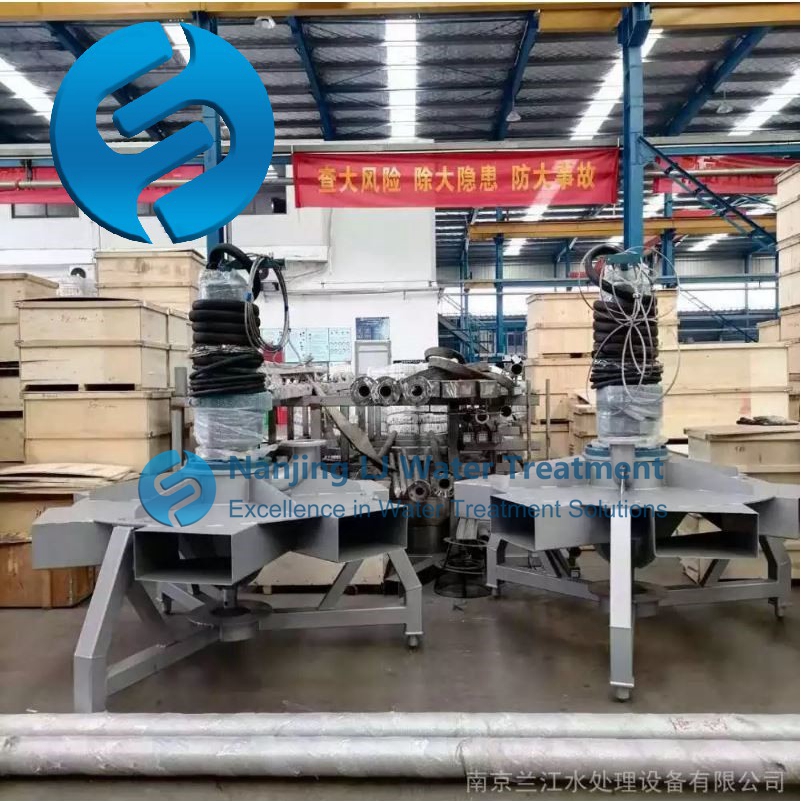
Streamlined Structural Appearance
The external structure of a river aeration mixer is usually designed to reduce water resistance and maintain stable operation in flowing environments.
Hydrodynamic Equipment Shape
The outer housing often adopts a streamlined profile that minimizes drag during water movement. Smooth contours help reduce turbulence around the equipment and improve circulation efficiency.
Compact Integrated Layout
Many river aeration mixers use an integrated body structure that combines the motor housing, aeration components, and support system into a compact assembly. This arrangement reduces installation complexity and improves operational balance.
Rounded Edge Configuration
Rounded corners and curved surfaces help reduce the accumulation of debris, algae, and sediment. The smoother external structure also lowers the risk of damage caused by floating objects in rivers and canals.
Floating Platform Design
Floating structures are common in river aeration systems because they allow flexible positioning and automatic adaptation to changing water levels.
Stable Buoyancy Structure
The floating platform is designed to maintain equipment balance during continuous operation. Multi-point buoyancy arrangements improve stability in flowing water environments.
Adjustable Water Surface Position
Floating systems automatically rise and fall with water level fluctuations. This feature helps maintain consistent aeration depth and stable oxygen transfer performance.
Lightweight External Framework
The supporting frame is often designed with lightweight but durable materials to simplify transportation, installation, and repositioning within river channels.
Underwater Aeration Structure
The submerged portion of the aeration mixer is specially designed for efficient underwater circulation and oxygen diffusion.
Optimized Impeller Housing
The impeller cover structure guides water flow in a controlled direction to improve mixing performance and oxygen distribution throughout the river section.
Fine Bubble Diffusion Design
Many systems incorporate specialized aeration outlets that produce smaller oxygen bubbles. Fine bubble diffusion increases oxygen contact time and improves aeration efficiency.
Debris-Resistant Intake Structure
Protective intake guards or screened openings help prevent leaves, branches, and floating waste from entering the rotating components.
Corrosion-Resistant Exterior Materials
River environments expose aeration equipment to moisture, pollutants, and changing weather conditions.
Stainless Structural Components
The outer casing and support frame are commonly manufactured from corrosion-resistant materials that withstand prolonged exposure to water and outdoor conditions.
Protective Surface Treatment
Surface coatings are often applied to reduce oxidation, chemical corrosion, and environmental wear caused by wastewater contaminants or industrial discharge.
UV-Resistant External Design
Outdoor equipment may incorporate ultraviolet-resistant materials or protective finishes to maintain structural integrity during long-term sunlight exposure.
Installation-Oriented Appearance Design
Exterior design also affects maintenance convenience and installation efficiency.
Modular Structural Sections
Some river aeration mixers use modular external components that simplify assembly, transportation, and replacement during maintenance operations.
Integrated Lifting Points
Built-in lifting hooks or suspension structures improve handling efficiency during installation and inspection procedures.
Cable Protection Channels
External cable routing systems help protect power lines from water exposure, mechanical damage, and accidental movement caused by flowing currents.
Environmental Compatibility Features
Modern river aeration mixer designs increasingly focus on environmental integration and ecological compatibility.
Low-Noise Structural Layout
The external structure is often optimized to reduce operational vibration and noise generation, helping minimize disturbance to nearby environments.
Reduced Surface Splashing
Carefully designed aeration outlets help control excessive splashing while maintaining stable oxygen transfer performance.
Natural Visual Integration
In ecological restoration projects, some aeration mixers adopt simplified external forms that blend more naturally into landscape waterways and public environmental areas.
Stability Design for Flowing Water Conditions
River currents create additional structural demands compared with static treatment tanks.
Reinforced Mounting Framework
Support structures are strengthened to withstand continuous water flow pressure and sudden hydraulic impact caused by storms or changing river conditions.
Anti-Drift Structural Features
Anchoring systems and stabilizing supports help maintain equipment position even under strong current conditions.
Balanced Weight Distribution
The external layout is carefully balanced to improve stability and prevent tilting during long-term river operation.
Post time:2026-05-20
