Submerged Operating Requirements for Underwater Aeration Mixers
Underwater aeration mixers are widely applied in wastewater treatment plants, oxidation ditches, aquaculture systems, and industrial liquid treatment facilities. Because the equipment operates completely below the liquid surface, proper submerged operating requirements are essential for maintaining stable aeration performance, protecting internal components, and extending service life. Careful installation and operating control can also help improve oxygen transfer efficiency and liquid circulation stability.
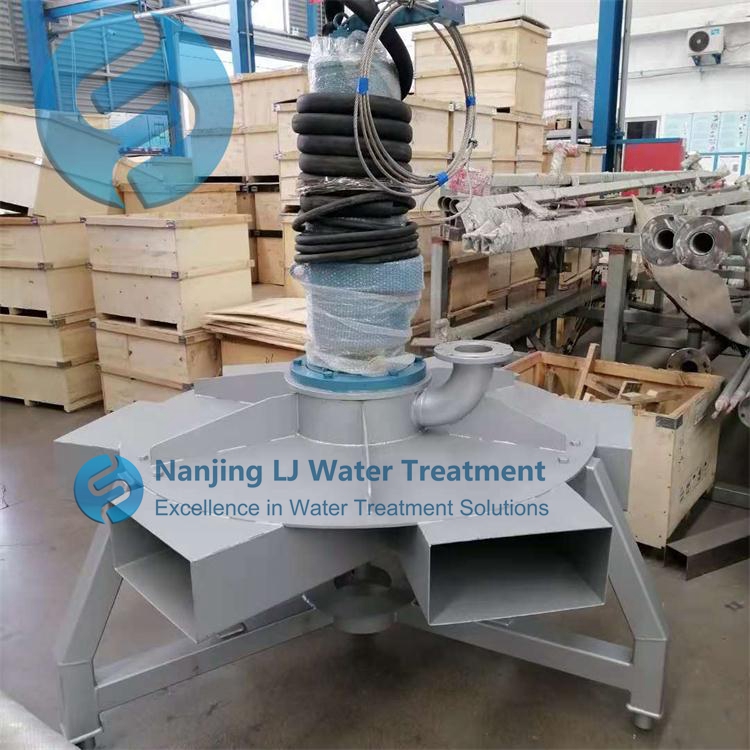
Proper Submersion Depth Requirements
Correct immersion depth directly affects mixing efficiency and operational reliability.
Maintain Continuous Full Submersion
The aeration mixer should remain fully submerged during operation. Partial exposure of the motor or impeller area may cause unstable flow conditions, overheating, or insufficient cooling performance.
Avoid Excessive Installation Depth
Although underwater aeration mixers are designed for submerged operation, excessive installation depth can increase water pressure on seals and structural components. Suitable depth control helps maintain long-term operational safety.
Stable Liquid Level Conditions
Frequent liquid level fluctuations may expose critical parts of the equipment to air. Maintaining stable water levels reduces the risk of cavitation and improves aeration consistency.
Underwater Positioning Requirements
Proper positioning inside the tank improves oxygen distribution and prevents operational problems.
Adequate Clearance From Tank Bottom
The mixer should not be installed too close to the bottom surface. Proper spacing helps prevent sludge blockage, sediment accumulation, and excessive wear caused by solid particles.
Distance From Tank Walls
Sufficient clearance from walls and structural obstacles allows smoother liquid circulation. Restricted flow areas may reduce mixing efficiency and create uneven oxygen distribution.
Balanced Flow Orientation
The installation angle should support uniform circulation throughout the treatment tank. Proper orientation minimizes dead zones and improves biological treatment effectiveness.
Electrical Protection Requirements
Submerged operation requires strict electrical safety measures.
Waterproof Cable Protection
Power cables should use waterproof insulation and secure routing systems. Proper protection helps prevent leakage current and cable damage caused by long-term underwater exposure.
Sealed Electrical Connections
All connection points must remain sealed against moisture penetration. Water intrusion into electrical components can lead to equipment failure or operational instability.
Reliable Grounding System
The grounding system should comply with industrial electrical safety standards. Effective grounding helps reduce risks associated with electrical leakage during submerged operation.
Mechanical Protection Requirements
Continuous underwater use places heavy demands on mechanical components.
Seal Integrity Monitoring
Mechanical seals should remain intact to prevent liquid from entering the motor chamber. Regular inspection of sealing systems helps reduce the risk of internal corrosion and motor damage.
Impeller Protection Against Debris
Large solid particles, fibers, or floating debris can interfere with impeller rotation. Protective screening or routine cleaning helps maintain stable mixing performance.
Vibration Control During Operation
Excessive vibration may indicate imbalance, blockage, or component wear. Stable mechanical operation helps protect bearings and support structures during continuous use.
Cooling and Ventilation Requirements
Submerged motors rely on surrounding liquid for heat dissipation.
Ensure Sufficient Liquid Coverage
The motor housing should remain adequately surrounded by liquid to support effective cooling. Insufficient immersion can reduce heat dissipation efficiency and increase operating temperature.
Prevent Dry Running Conditions
Underwater aeration mixers should never operate without liquid coverage. Dry running may rapidly damage seals, bearings, and motor components.
Monitor Operating Temperature
Continuous monitoring of motor temperature helps identify abnormal conditions early and prevents overheating caused by restricted cooling performance.
Maintenance Requirements for Submerged Equipment
Routine maintenance is essential for long-term reliability.
Periodic Cleaning Procedures
Accumulated sludge, biological deposits, and solid particles should be removed regularly to maintain proper aeration efficiency and stable liquid circulation.
Inspection of Fastening Components
Bolts, brackets, and mounting structures should be checked periodically for corrosion, loosening, or structural wear caused by prolonged underwater exposure.
Scheduled Seal and Bearing Inspection
Mechanical seals and bearings are critical components in submerged operation. Preventive inspection helps reduce unexpected shutdowns and prolong equipment lifespan.
Environmental Operating Requirements
Environmental conditions can significantly influence underwater aeration mixer performance.
Suitable Liquid Composition
Highly corrosive or chemically aggressive liquids may require additional protective materials or specialized structural treatment to maintain durability.
Control of Solid Concentration
Excessively high concentrations of abrasive particles can accelerate impeller and housing wear. Proper operating conditions help reduce mechanical damage.
Stable Operating Load
Frequent overload conditions may increase stress on the motor and support structure. Maintaining balanced operating loads contributes to smoother long-term performance.
Post time:2026-05-19
